
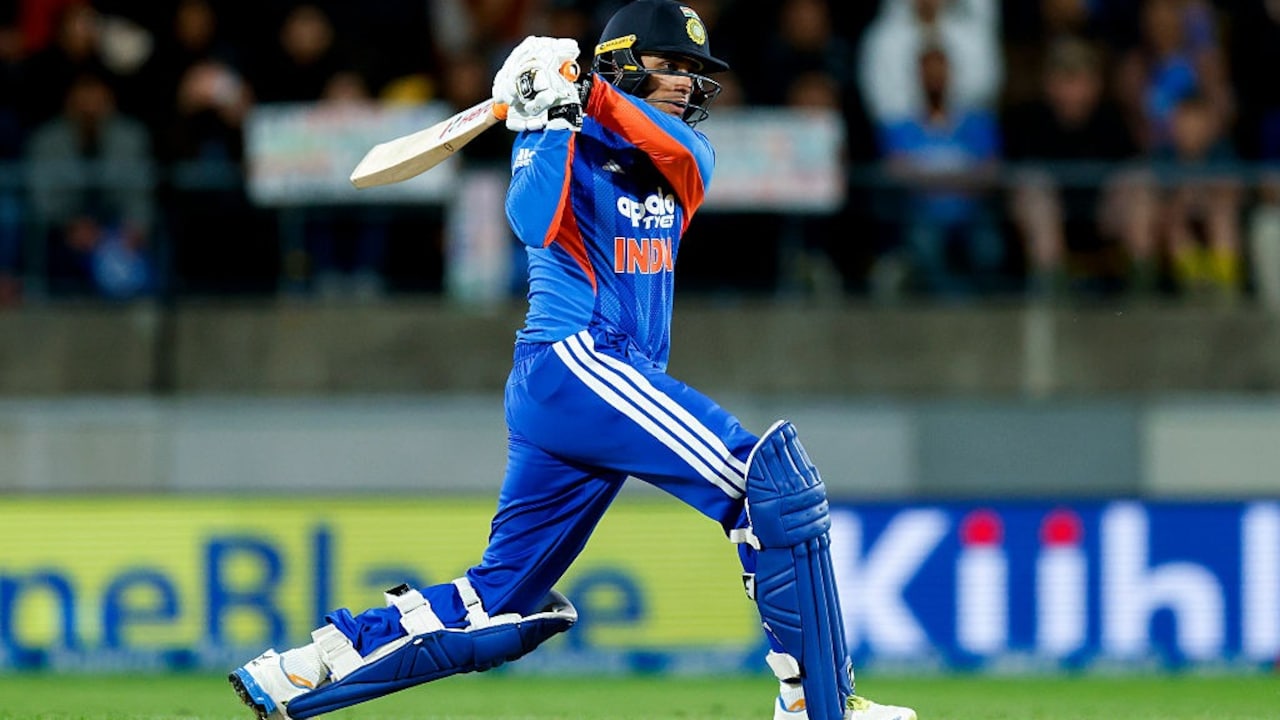
The reverberations of Sharma’s masterclass extend far beyond the immediate sporting triumph, touching upon the multi-billion-dollar global broadcasting ecosystem and the strategic calculus of the Board of Control for Cricket in India (BCCI). As millions of fans tuned in globally via digital streaming platforms and traditional broadcast networks, the sheer velocity of the run chase shattered previous engagement records for mid-week bilateral fixtures. The socioeconomic impact on regional tourism and hospitality sectors in Wellington, alongside the surging valuation of cricket merchandise, underscores the immense commercial gravity held by contemporary athletic spectacles.
Institutional stakeholders from both the BCCI and New Zealand Cricket (NZC) have already begun evaluating the long-term ramifications of such high-octane gameplay on bilateral relations and international scheduling calendars. While purists debate the shifting equilibrium between bat and ball in the shortest format, sports economists point to this innings as a masterclass in audience retention and brand monetization. Movement News has gathered exclusive insights from high-ranking officials regarding the operational dynamics that enabled this record-shattering performance on foreign soil.
📌 Essential Story Takeaways
- Abhishek Sharma recorded a blistering 113 runs from just 38 balls, featuring 11 towering sixes and nine boundaries.
- India successfully chased down a 199-run target in Wellington with over six overs remaining, establishing a new tactical benchmark.
- Sharma surpassed T20 legend Chris Gayle to claim a major international batting record, altering historical statistical projections.
- The high-velocity victory significantly boosted digital viewership metrics and broadcast advertising valuations for global cricket rights.
Historical Background & Contextual Precedents
However, the evolution of coaching methodologies, advanced bio-mechanical analyses, and the relentless demands of domestic leagues like the Indian Premier League (IPL) have fundamentally altered the DNA of modern opening batsmen. Today’s players are conditioned from youth to eliminate dot balls entirely, treating the powerplay overs not merely as an accumulation phase, but as an existential threat to the opposition’s bowling strategy. Sharma’s innings in Wellington is the structural culmination of this evolutionary lineage—a seamless synthesis of raw athleticism, data-driven matchup exploitation, and fearless execution.
Industry analysts note that this historic shift did not occur in a vacuum. The increasing commercialization of bilateral series and the global expansion of T20 leagues have placed unprecedented pressure on athletes to deliver maximum entertainment value. When Sharma stepped onto the turf in Wellington, he carried not only the hopes of a billion-plus television audience but also the heavy institutional expectations of an evolving sport that continuously demands faster, louder, and more definitive statements of dominance.
Deep-Dive Investigation & Sectoral Impact
Furthermore, an examination of the logistical and operational supply chains supporting the Indian cricket contingent sheds light on the marginal gains that produce such historic performances. Nutritional science, sleep hygiene tracking, and customized bat-weight calibration optimized by high-tech sensors all played silent yet pivotal roles in preparing Sharma for this specific encounter. The synergy between high-performance coaching staff and analytics personnel has transformed elite cricket into an empirical science, where every delivery is modeled against historical success probabilities.
Behind closed doors, internal memos from NZC point to a critical post-match review focusing on bowling variations and tactical rigidity during the powerplay. Investigative queries into the pitch preparation further reveal a track designed to favor high-scoring encounters, aligning with global broadcasting demands for high-entertainment spectacles. Yet, even within a batting-friendly environment, Sharma’s ability to maintain a strike rate hovering near 300 remains an extraordinary statistical anomaly that defies standard probabilistic models used by opposing coaching units.
Stakeholder Perspectives & Official Statements
Conversely, bowling coaches and veteran tacticians have expressed growing concern regarding the escalating imbalance between bat and ball in international T20 fixtures. In a confidential briefing with sports journalists, an anonymous bowling consultant noted, ‘When openers can dismantle a 200-run chase in under fourteen overs without breaking a sweat, the governing bodies must seriously re-examine boundary dimensions, ball specifications, and pitching regulations to preserve the competitive integrity of the contest.’
Meanwhile, commercial stakeholders and marketing executives have adopted an entirely optimistic outlook. Representatives from major broadcast networks confirmed a historic spike in live concurrent viewership during Sharma’s time at the crease, validating heavy financial investments in broadcast rights. Player unions and agent networks are already leveraging these metrics to negotiate enhanced NIL (Name, Image, and Likeness) agreements and lucrative franchise retentions, signaling a direct economic windfall for elite performers.
Strategic Implications & Future Roadmap
Economically, this milestone is projected to accelerate franchise valuations and influence the upcoming player auction dynamics in domestic leagues worldwide. Franchise owners are expected to place an even higher premium on batsmen capable of converting starts into explosive, game-ending totals within the first six overs. Regulatory bodies, including the International Cricket Council (ICC), are slated to convene later this quarter to discuss playing conditions, where the ongoing debate regarding bat specifications and pitch curation will undoubtedly take center stage.
Key dates to monitor include the ICC’s upcoming executive board meeting on regulatory updates (scheduled for next month) and the announcement of the next multi-lateral tournament fixture list. As Sharma and the Indian squad prepare for their subsequent engagements, the global sports market will remain intensely focused on whether this performance represents an isolated peak or the new baseline for elite T20 competition.
❓ Key Questions Answered (FAQ)
The primary catalyst was Abhishek Sharma's record-breaking innings of 113 runs off 38 balls against New Zealand in Wellington, which enabled India to comfortably chase down a target of 199 with more than six overs remaining, thereby surpassing Chris Gayle's historical T20I benchmarks.
New Zealand's bowling attack and coaching staff bear the immediate sporting impact, forcing a rigorous tactical overhaul. Commercially, broadcast networks, the BCCI, and global sports rights holders experience a surge in viewership metrics and advertising revenues, while players gain increased leverage in franchise markets.
Critical milestones include the upcoming ICC executive board meeting next month to discuss playing conditions and pitch regulations, followed by the release of the subsequent bilateral series schedules and upcoming franchise auction announcements.





