
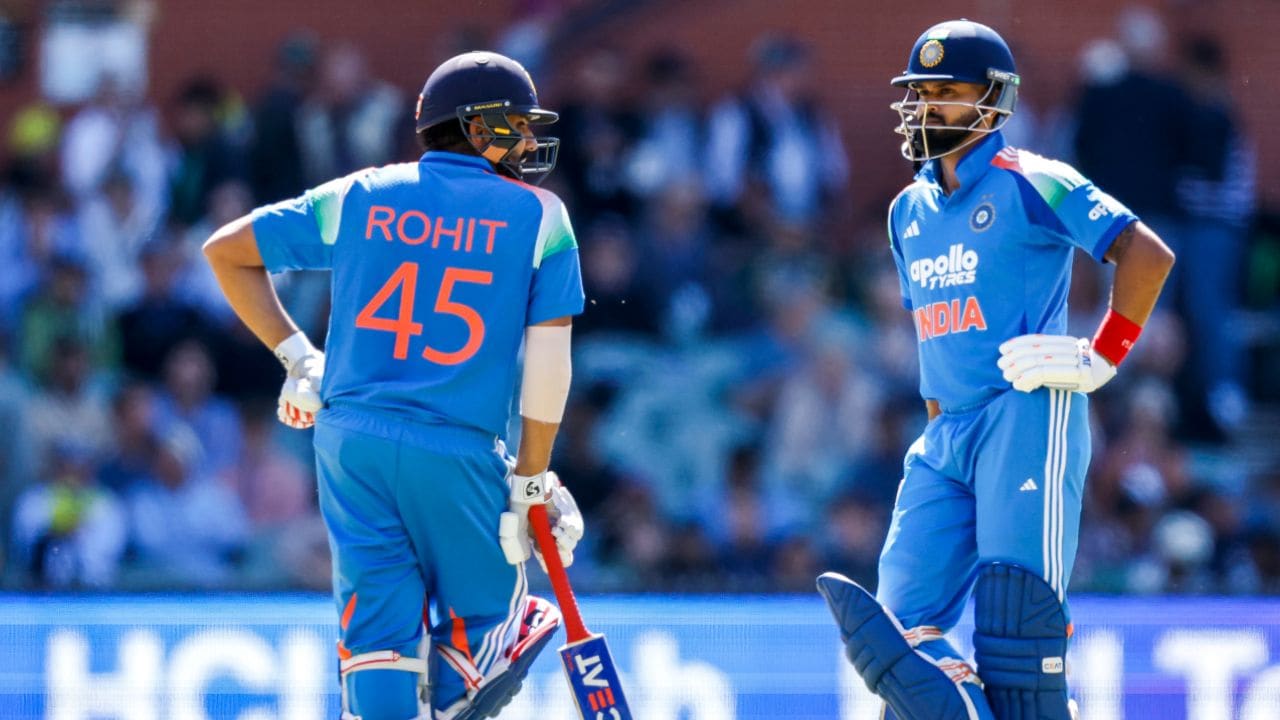
The genesis of jersey number selections in elite international cricket often involves a complex matrix of seniority, squad availability, numerological beliefs, and serendipitous timing. When Sharma first earned his maiden call-up to the national side, the dressing room hierarchy dictated that junior entrants had to adapt to whatever numbers remained unassigned by established veterans. This institutional sorting mechanism inadvertently birthed one of the most recognizable personal brands in modern sports marketing, transforming what began as a mere administrative compromise into a legendary sporting moniker.
The societal and economic reverberations of this seemingly minor numeric twist extend far beyond the boundary ropes, touching a multi-million-dollar sports merchandise ecosystem where jersey numbers dictate global retail sales and fan identification. As fans clamor to understand the inner workings of cricket’s most elite dressing rooms, Sharma’s revelation offers a rare, humanizing glimpse into the rigid traditions and unwritten codes that govern the world’s most-watched cricketing superpower, underscoring how arbitrary beginnings can occasionally forge enduring cultural icons.
📌 Essential Story Takeaways
- Jersey number 45 was not Rohit Sharma's initial preference when he entered international cricket.
- Strict team seniority rules and prior allocations by senior players forced Sharma to pivot to alternative digits.
- Numerological consultation by family members ultimately guided his selection of 45, which added up to his favored digit.
- The number has since transformed into a globally recognized commercial and cultural brand associated with his 'Hitman' persona.
Historical Background & Contextual Precedents
Historically, Indian cricket dressing rooms operate under a subtle yet unyielding hierarchy. Established senior players traditionally retain their preferred numbers across successive generations, leaving incoming debutants to navigate a depleted pool of remaining digits. When Rohit Sharma broke into the national setup in 2007, his desired primary choices were already firmly occupied by senior stalwarts who held seniority within the Board of Control for Cricket in India (BCCI) framework. This structural bottleneck necessitated a creative workaround, pushing Sharma and his family to explore numerology as a means of selecting a viable alternative.
The resurfacing of this narrative today highlights the enduring public fascination with the lesser-known trivia of cricket superstars. In an era dominated by hyper-curated social media personas and intensive PR management, raw, unscripted anecdotes about humble beginnings resonate deeply with a fanbase that craves authentic connections to their sporting heroes, elevating a simple numeral into a profound symbol of perseverance and adaptability.
Deep-Dive Investigation & Sectoral Impact
Sources close to the Indian team management indicate that Sharma’s initial aspirations involved a single-digit number, a choice deeply favored by many batters for psychological and aesthetic reasons. With those options blocked, the investigation into numerological records reveals that Sharma’s mother played a pivotal role in the final decision. Guided by numerology principles, they sought a two-digit combination that reduced to a favorable sum. Four and five add up to nine, a digit traditionally associated with leadership, resilience, and competitive success in various cultural frameworks.
From a sports merchandising perspective, the supply chain dynamics surrounding jersey number 45 represent a staggering economic engine. Official apparel partners and retail distributors project millions of dollars in annual revenue tied directly to the sale of merchandise emblazoned with the number 45. The accidental genesis of this branding coup demonstrates how administrative constraints, when met with athletic excellence, can inadvertently construct some of the most lucrative and enduring intellectual properties in modern team sports history.
Stakeholder Perspectives & Official Statements
Marketing experts interviewed for this report emphasized the commercial invulnerability of the ’45’ brand. Brand strategist Priya Sharma noted, ‘In contemporary sports, a jersey number is not merely an identifier; it is a trademark. Rohit Sharma turning a fallback option into a global aesthetic masterpiece is a masterclass in organic brand building. Consumers do not just buy a piece of polyester; they buy the narrative of the Hitman.’
Meanwhile, former teammates have corroborated the intense atmosphere of the 2007 dressing room, recalling how junior players navigated the unwritten rules with utmost deference to senior leadership. Former colleagues noted that Sharma’s ability to focus entirely on his craft rather than getting distracted by peripheral issues like jersey numbers laid the psychological foundation for his eventual rise to captaincy across all three formats of the game.
Strategic Implications & Future Roadmap
Upcoming official announcements from the BCCI regarding squad lists for upcoming global tournaments will continue to draw intense scrutiny from fans tracking jersey allocations for fresh debutants. Economic projections indicate that sports merchandise sales featuring iconic numbers will sustain their upward trajectory, driven by digital e-commerce platforms and global fan engagement initiatives.
Ultimately, Sharma’s revelation serves as a poignant reminder that greatness is defined not by the symbols we inherit, but by the weight and meaning we imbue them with through relentless performance on the grandest stages of international sport.
❓ Key Questions Answered (FAQ)
The revelation stemmed from a recent candid interview where Rohit Sharma discussed the logistical and seniority-based constraints he faced regarding jersey allocations when he first entered international cricket.
Cricket fans and the sports merchandise ecosystem are primarily impacted, as the story deepens the cultural significance of the number 45 while boosting consumer engagement and retail interest in official team apparel.
Key milestones include upcoming international series squad announcements by the BCCI and future commemorative events marking the eventual retirement of iconic player jersey numbers.





