
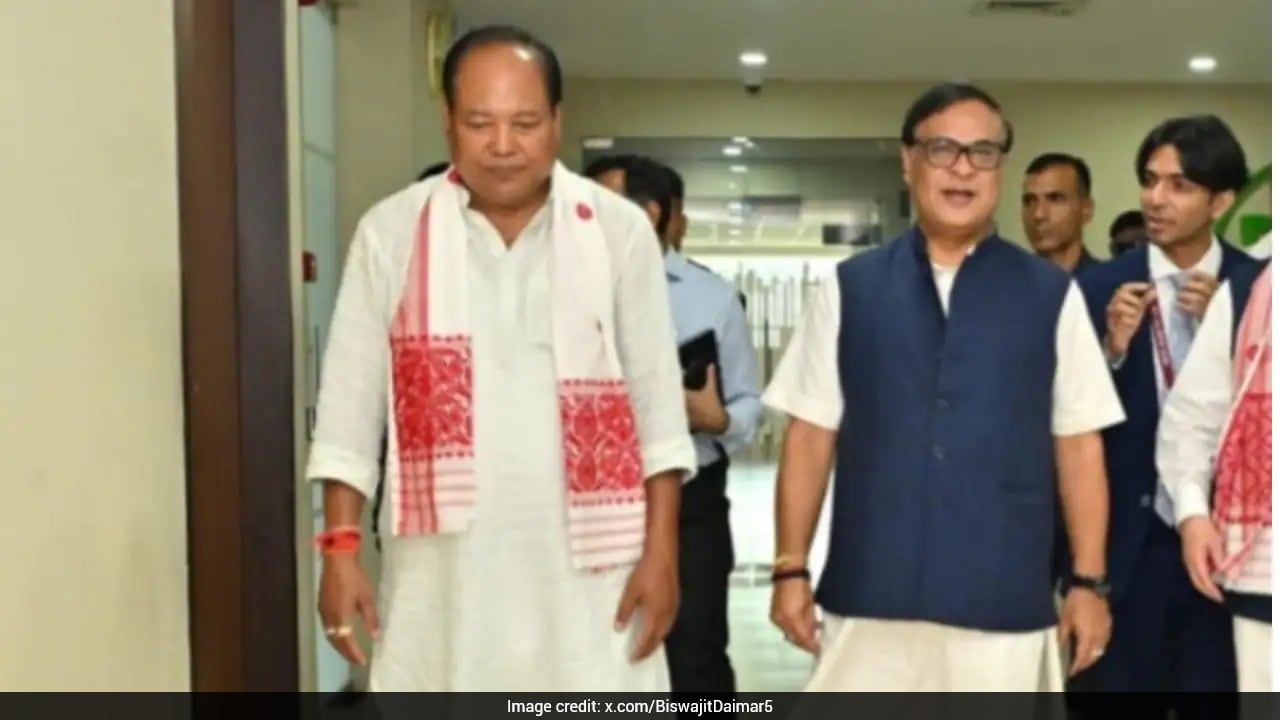
The controversy underscores the delicate and deeply complex interplay between regional nationalism, historical grievances, and contemporary electoral politics in Assam. ULFA, designated as a terrorist organization under Indian law, waged an armed insurgency for decades demanding a sovereign Assam, resulting in thousands of casualties before peace talks and factional splits significantly diminished its operational capabilities in recent years. Daimary’s unsolicited endorsement of the outfit’s historical role threatens to reopen old wounds and complicate the delicate narrative of peace and reconciliation painstakingly built by the current state and central governments.
Institutional stakeholders across New Delhi and Dispur have expressed private concern over the optics of a serving cabinet minister romanticizing an outlawed separatist movement, even as opposition parties launched coordinated attacks demanding Daimary’s immediate resignation. The incident highlights the precarious ideological tightrope walked by regional leaders who often leverage sub-national identity sentiments to consolidate local support, occasionally crossing administrative and legal boundaries that govern state loyalty and constitutional integrity.
📌 Essential Story Takeaways
- Assam Cabinet Minister Biswajit Daimary publicly credited the banned insurgent group ULFA with protecting the state from outside forces over five decades.
- Chief Minister Himanta Biswa Sarma swiftly issued a public clarification to dissociate the state government from the minister's controversial statements.
- Opposition parties have seized on the remarks to accuse the ruling dispensation of double standards regarding national security and anti-terror laws.
- The development threatens ongoing peace initiatives and reintegration efforts involving splinter factions of the insurgent outfit.
Historical Background & Contextual Precedents
Over the decades, the insurgency witnessed severe crackdowns, strategic relocations of leadership camps to neighboring countries like Myanmar and Bhutan, and deep internal fracturing. While the anti-talks faction led by Paresh Baruah remains holed up along the Indo-Myanmar border, a significant pro-talks faction led by Arabinda Rajkhowa entered into a tripartite peace agreement with the Government of India and the Assam government in late 2023, aiming for a permanent political settlement and economic rehabilitation.
Today’s resurfacing of pro-ULFA rhetoric within the corridors of power demonstrates how deeply entrenched the mythology of the early separatist struggle remains in the regional consciousness. Politicians navigating Assam’s complex ethnic landscape frequently invoke historical grievances surrounding land rights and indigenous identity, occasionally blurring the line between legitimate cultural defense and the glorification of violent insurgency.
Deep-Dive Investigation & Sectoral Impact
However, intelligence assessments and ground security reports indicate that such public endorsements carry severe operational risks. Security agencies monitoring the remnants of ULFA (Independent) note that statements from mainstream political figures can be weaponized by insurgent handlers across the border for propaganda purposes, signaling ideological soft spots within the democratic framework. Furthermore, the timing of the remark coincides with fragile ongoing backchannel negotiations aimed at convincing the remaining hardline faction led by Paresh Baruah to lay down arms, making uncalculated political rhetoric an unwelcome variable in a delicate diplomatic puzzle.
Financial and administrative power dynamics in Assam further complicate the narrative. The state has witnessed massive infrastructure investments and economic integration initiatives under the current dispensation, championed by Chief Minister Sarma as the dawn of a new era of peace and development. When senior ministers deviate from this official narrative of progressive modernization to romanticize a dark era of economic stagnation and violence, it creates friction between the state government’s developmental goals and its historical ideological messaging.
Stakeholder Perspectives & Official Statements
Chief Minister Himanta Biswa Sarma moved swiftly to contain the damage, stating unequivocally that the government does not endorse any form of armed insurgency or historical violence perpetrated by ULFA. “Our administration’s commitment to the sovereignty and security of India is absolute, and no individual’s personal perspective can alter our official policy of zero tolerance toward terrorism,” Sarma emphasized during an emergency media briefing.
Conversely, opposition leaders from the Congress and regional parties launched scathing attacks, accusing the ruling party of ideological duplicity. A senior opposition spokesperson remarked, “When opposition leaders speak of historical identity issues, they are branded as anti-national, but when a ruling minister glorifies a banned terrorist outfit responsible for thousands of deaths, it is brushed aside as a slip of the tongue.” Meanwhile, civil society groups and families of security personnel killed during the height of the insurgency expressed profound anguish, arguing that sanitizing ULFA’s violent history dishonors the sacrifices made by the state’s citizens to restore democratic governance.
Strategic Implications & Future Roadmap
Economically, the state administration remains focused on attracting foreign and domestic investment through upcoming global investor summits, making stability and predictable governance paramount. Critical dates ahead include the upcoming legislative assembly sessions where the opposition is guaranteed to table adjournment motions demanding formal censure, and scheduled review meetings between Union Home Ministry officials and pro-talks faction leaders regarding the implementation of the 2023 peace accord. The incident serves as a stark reminder that Assam’s journey from violent insurgency to durable peace remains a work in progress, requiring constant vigilance from political leadership.
❓ Key Questions Answered (FAQ)
Assam Minister Biswajit Daimary publicly stated that the banned insurgent outfit ULFA protected the state from outside forces for over five decades, sparking widespread controversy and condemnation.
The state government's official anti-terror narrative and ongoing peace negotiations are most affected, leading to immediate public clarification by Chief Minister Himanta Biswa Sarma and sharp opposition backlash.
Key milestones include the upcoming Assam Legislative Assembly session where the opposition plans to raise the issue, and scheduled Union Home Ministry reviews regarding the implementation of the 2023 ULFA peace accord.





