
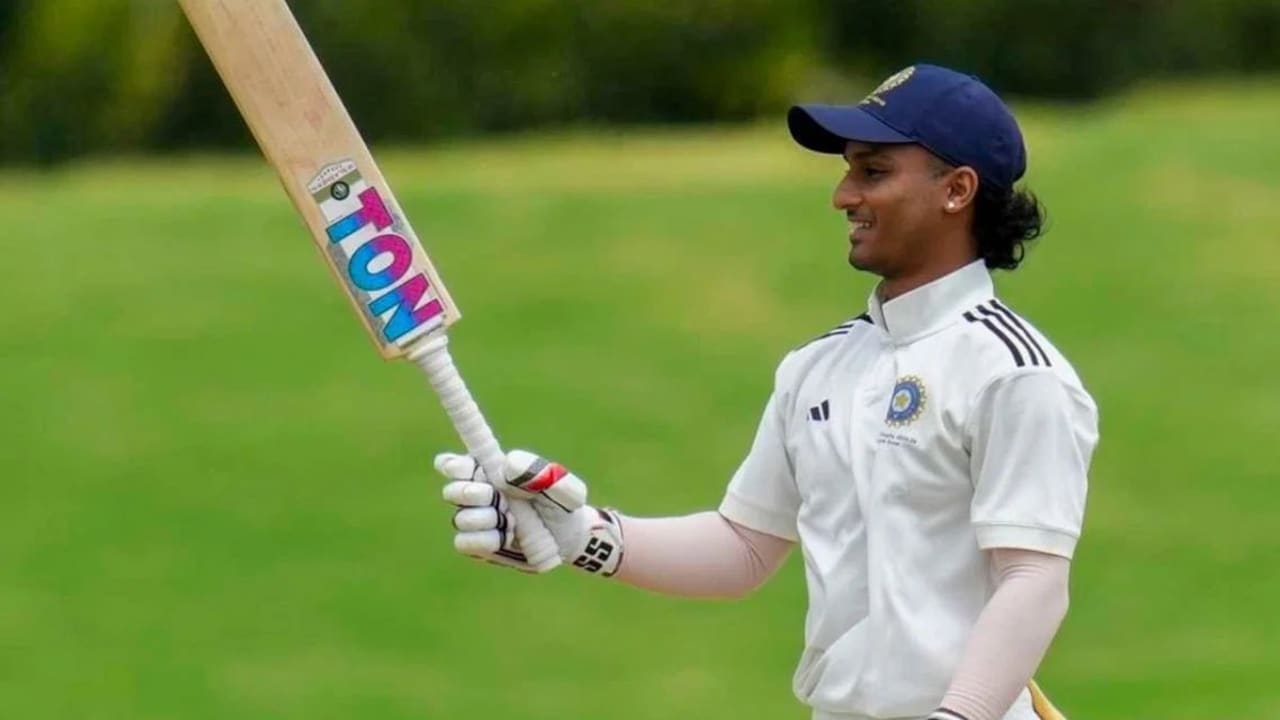
The landmark achievement not only underscores Badoni’s staggering transition into a premier domestic red-ball batsman but also injects massive momentum into Delhi’s campaign for domestic supremacy. As selectors from the Board of Control for Cricket in India (BCCI) watch closely from the pavilion, the performance serves as a powerful statement regarding the depth and resilience of Delhi’s cricketing pipeline.
The ripple effects of this innings extend far beyond the immediate match outcome, energizing local sports stakeholders, inspiring grassroots academies, and reigniting debates surrounding the national Test team selection matrix. Badoni’s mastery over marathon innings highlights a crucial evolution in his temperament, shifting perceptions from a white-ball specialist to a complete, multi-format asset.
📌 Essential Story Takeaways
- Ayush Badoni joined Virat Kohli and Gautam Gambhir as the rare Delhi batters to notch consecutive first-class double centuries.
- The stellar run-scoring spree significantly boosts Delhi's strategic standing in the elite tiers of the Ranji Trophy.
- BCCI national selectors are closely monitoring Badoni's conversion rate and stamina in multi-day formats.
- Delhi Cricket Association officials anticipate heightened sponsor interest and renewed grassroots engagement following the historic knock.
Historical Background & Contextual Precedents
Historically, Delhi’s domestic setup has experienced periods of intense scrutiny, oscillating between administrative turbulence and prolific talent production. Within this high-pressure crucible, players often struggle with the mental and physical endurance required for multi-day cricket. Badoni’s recent surge is particularly striking given his early reputation as an explosive, inventive white-ball finisher in domestic T20 leagues. His deliberate recalibration toward building long, unyielding innings represents a significant maturation of his tactical approach.
The resurfacing of this elite batting form today arrives at a critical juncture for Delhi cricket, which has sought to reclaim its historical dominance in the national championship. By matching the milestones set by Kohli and Gambhir, Badoni bridges eras, linking the golden generation of Delhi batting grit with the modern aspirations of a new squad striving for ultimate red-ball glory.
Deep-Dive Investigation & Sectoral Impact
Furthermore, an analysis of the pitch conditions at the venue indicates that batting grew increasingly arduous as matches progressed, with uneven bounce and variable turn emerging by days two and three. Unlike many modern batters who rely heavily on horizontal-bat strokes, Badoni utilized his feet adeptly against spinners and maintained a tight defensive envelope against the red Kookaburra ball. This technical discipline neutralised the opposition’s bowling attack, forcing captains to defensive field placements that allowed Delhi to pile on formidable totals.
Behind the scenes, the coaching staff’s emphasis on mental conditioning and physical endurance training has clearly yielded dividends. Sources within the Delhi dressing room point to rigorous extended net sessions and simulated multi-day scenarios designed to test players’ concentration levels beyond the standard three-hour threshold. This institutional backing has transformed Badoni from a situational pinch-hitter into a dependable anchor capable of dictating the tempo of a four-day fixture.
Stakeholder Perspectives & Official Statements
Sports science experts and fitness trainers within the domestic circuit emphasize the arduous physical toll exacted by consecutive double centuries. The capacity to maintain absolute technical precision while battling fatigue on humid afternoons is being cited as proof of elite conditioning. Meanwhile, opposing captains and tactical coaches have privately conceded that containing Badoni requires entirely new bowling blueprints, as standard containment strategies fail once he surpasses the century mark.
Fans and local cricket enthusiasts have taken to digital and physical forums to celebrate the milestone, drawing enthusiastic parallels to the early domestic exploits of Virat Kohli. This widespread acclaim underscores the cultural significance of the Ranji Trophy within India’s sports landscape, where domestic brilliance continues to command profound regional and national reverence.
Strategic Implications & Future Roadmap
Economically and institutionally, this run of form is expected to elevate Badoni’s market valuation ahead of forthcoming franchise auctions, while simultaneously driving up media rights visibility and attendance for Delhi’s remaining domestic fixtures. Critical dates on the calendar include the upcoming selection committee briefings and the knockout stage fixtures scheduled for early next month, where high-stakes pressure will test whether Badoni can sustain his historic trajectory.
❓ Key Questions Answered (FAQ)
Ayush Badoni's exceptional technical adjustments, enhanced mental endurance, and commitment to long-form batting resulted in consecutive double centuries in the Ranji Trophy, matching historic feats by Virat Kohli and Gautam Gambhir.
The Delhi cricket team benefits immediately with a commanding position in the Ranji Trophy standings, while opposing bowling attacks and national selection committees are forced to reassess their strategies and talent pipelines.
Key milestones include the upcoming Ranji Trophy knockout fixtures next month and forthcoming BCCI selection committee reviews for India A and senior Test squads.





