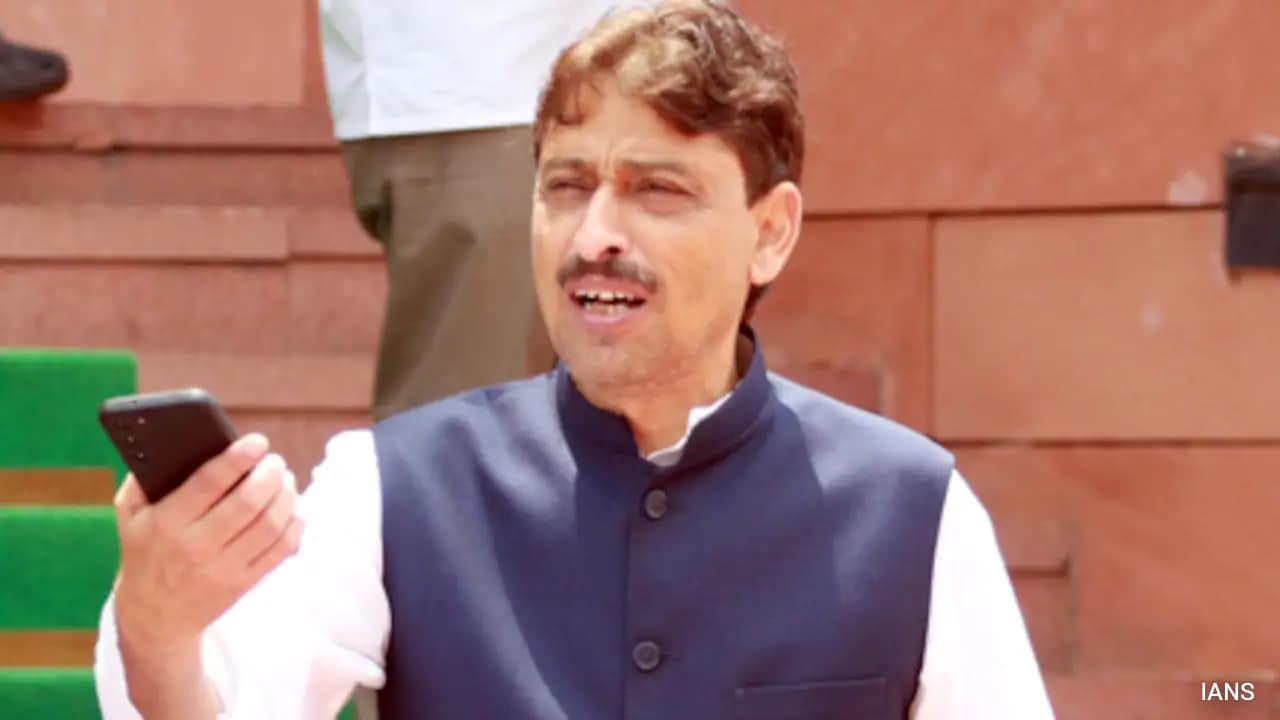
The demonstrations represent a boiling point for a student community that has long accused university administration of systematically silencing youth leadership. Protesters, chanting slogans and waving placards, converged near the campus perimeter demanding compliance with the Lyngdoh Committee recommendations and judicial precedents regarding campus democracy. The detention of the federal lawmaker not only amplified the visibility of the protest but also transformed a localized campus grievance into a high-stakes national political confrontation.
Institutional stakeholders, including the university administration and local law enforcement agencies, defended their security posture, citing potential breaches of public order and traffic disruption. However, civil rights advocates and academic freedom watchdogs have roundly condemned the administrative intransigence and police overreach. As the standoff continues to draw national attention, the incident underscores a widening chasm between institutional authorities seeking to maintain rigid control and a galvanized student body determined to reclaim their institutional voice.
📌 Essential Story Takeaways
- A sitting Member of Parliament was temporarily detained by police while attempting to support protesting students at Jamia Millia Islamia.
- The central university has operated without an elected student union since 2005, following the dissolution of the representative body in 2006.
- Students are aggressively demanding the implementation of democratic union polls in accordance with national academic standards and constitutional principles.
- Human rights organizations and opposition parties have criticized the heavy police deployment and the denial of peaceful assembly rights on campus.
Historical Background & Contextual Precedents
During this protracted hiatus, administrative oversight shifted toward appointed advisory committees and disciplinary bodies, effectively neutralizing organized student dissent. Precedents across other central universities, such as Delhi University and Jawaharlal Nehru University, where annual union elections remain a vibrant cornerstone of campus life, have continually fueled frustration among Jamia students. The demand for union polls resurfaced periodically over the years, yet administrative reluctance, compounded by tightening security protocols across Indian academic institutions, consistently blocked formal restoration.
The timing of today’s protests is intimately linked to a broader national awakening regarding youth representation and civil liberties. As upcoming academic sessions approach, student collectives coalesced to challenge the 18-year ban, framing the issue not merely as a campus election dispute, but as a fundamental defense of democratic rights within publicly funded institutions. This historical context explains why a localized administrative policy transformed so rapidly into a national political lightning rod.
Deep-Dive Investigation & Sectoral Impact
Ground reality during the protests exposed a disproportionate deployment of paramilitary and civil police forces, signaling zero tolerance for demonstrations. Barricades reinforced with razor wire cut off surrounding neighborhoods, creating a siege-like atmosphere that exacerbated tensions. Legal observers note that the preventive detention of the opposition MP violates standard parliamentary privileges and procedural norms regarding public engagement, reflecting an alarming trend of executive overreach when dealing with civil dissent.
Furthermore, data compiled by student welfare groups indicates that the absence of a recognized union has left scholars without adequate grievance redressal mechanisms regarding fee hikes, hostel facilities, academic scheduling, and infrastructural deficiencies. The monopoly of administrative authority has created an environment of surveillance and apprehension, where routine student inquiries are frequently met with disciplinary warnings rather than constructive dialogue. This investigative deep-dive underscores that the struggle at Jamia is fundamentally about institutional accountability and the constitutional right to freedom of association.
Stakeholder Perspectives & Official Statements
Conversely, university authorities defended their stance through official communiqués, emphasizing that the institution prioritizes academic rigor and campus safety above all else. A senior administration official, speaking on condition of anonymity, maintained that student bodies often become breeding grounds for external political polarization, disrupting the primary educational mission of the university. The administration insists that student welfare is adequately addressed through existing departmental committees and advisory boards.
Academic analysts and legal experts offer a contrasting evaluation, pointing out that democratic elections are vital pedagogical tools that prepare young citizens for civic leadership. Prominent sociologists noted that denying students the right to organize inevitably drives dissent underground, fostering radicalization rather than orderly civic engagement. International education watchdogs have also expressed concern, highlighting the shrinking democratic space within Indian universities and urging authorities to engage in constructive dialogue with the student body.
Strategic Implications & Future Roadmap
Policy impact projections suggest that a successful mobilization at Jamia could inspire similar movements in other central and state universities currently operating without elected student bodies. Conversely, if the administration successfully suppresses the current uprising through strict disciplinary measures and police action, it may set a restrictive precedent for student activism nationwide. Critical dates to watch include the upcoming academic council meeting scheduled for next month, where student representatives plan to submit a formal petition, as well as impending court hearings regarding the legality of the 2006 union dissolution.
❓ Key Questions Answered (FAQ)
The primary trigger is the ongoing refusal of the Jamia Millia Islamia administration to restore elected student union polls, which have been banned since the body was dissolved in 2006, compounded by the recent detention of an opposition MP supporting the student protests.
Thousands of students enrolled at Jamia Millia Islamia are most affected, as they lack an official representative platform to address academic and welfare grievances. Immediate consequences include heightened campus tension, heavy police deployment, and increased political polarization.
Key milestones include the upcoming university academic council meeting next month, scheduled court hearings regarding the legality of the student union ban, and potential nationwide solidarity demonstrations called by student federations.