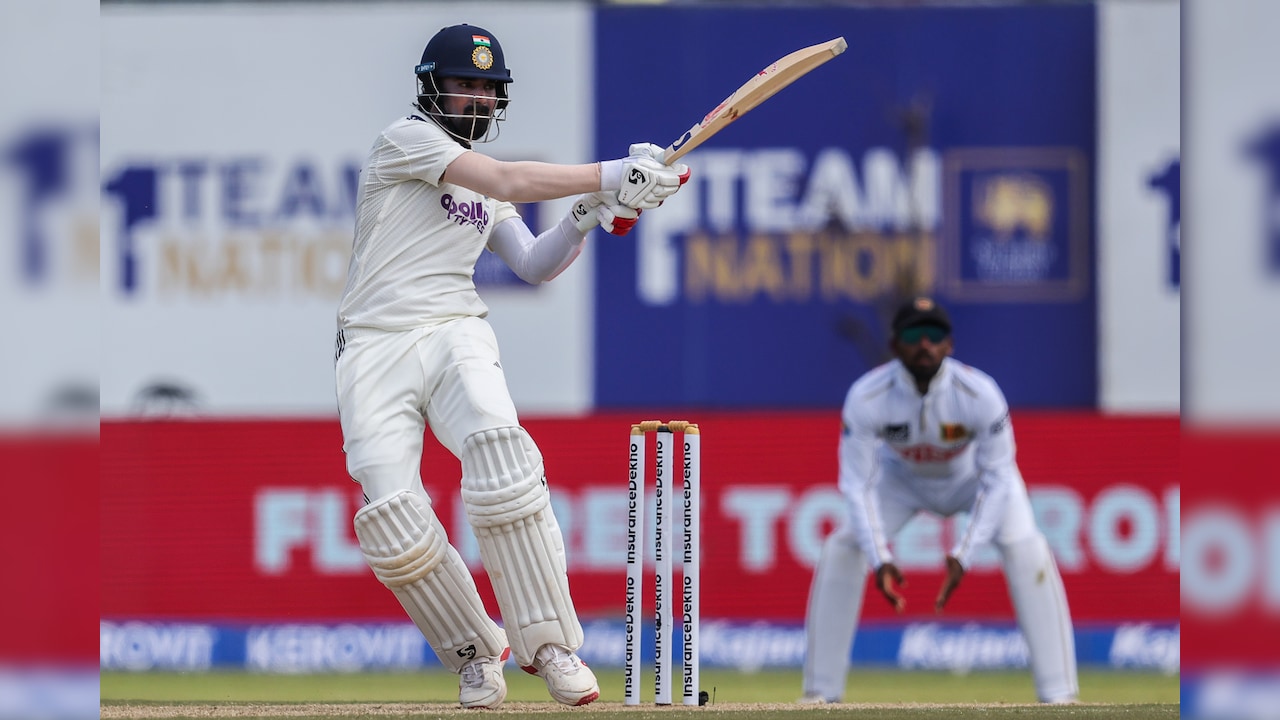
The debacle on the opening morning of the multi-day fixture immediately sparked intense scrutiny from the Board of Control for Cricket in India (BCCI) talent scouts and senior team management. With several fringe players auditioning for vacant slots in the senior Test squad ahead of crucial international assignments, this catastrophic failure exposes glaring vulnerabilities in handling overseas seam-friendly conditions.
The broader implications extend far beyond a single tour match, casting doubts over the technical preparedness of India’s next generation of red-ball specialists. As cricket enthusiasts and pundits pore over the wreckage of the innings, the psychological toll on the dressing room and the urgent need for technical recalibration take center stage in domestic and international sporting circles alike.
📌 Essential Story Takeaways
- India A were bowled out for a mere 113 runs in under 40 overs on Day 1 at Bert Sutcliffe Oval.
- Five distinct batters registered ducks, exposing severe technical deficiencies against lateral movement.
- The touring side's top-order collapse raises critical questions regarding preparation and selection criteria for overseas tours.
- New Zealand A bowlers capitalized brilliantly on morning moisture and consistent seam positions.
Historical Background & Contextual Precedents
However, historical precedents suggest that subcontinental batters frequently struggle during the initial phases of tours in Australasia due to the pronounced green cover and pronounced lateral movement off the pitch. The Bert Sutcliffe Oval in Lincoln, known for its brisk maritime winds and responsive surfaces, has often served as a crucible where technical flaws are brutally exposed.
Today’s collapse is not an isolated incident but rather part of a recurring pattern where elite domestic performers find the transition to foreign seam conditions exceedingly challenging. The increasing dominance of T20 leagues has also been cited by analysts as a contributing factor influencing shot selection and defensive technique in multi-day formats, bringing these underlying tensions to the forefront once again.
Deep-Dive Investigation & Sectoral Impact
Data from the first 40 overs indicates that a significant percentage of dismissals resulted from catches behind the wicket and in the slips, underscoring persistent issues with playing the ball late and close to the body. Tactical deployment by the New Zealand bowlers—utilizing a full-length probing off-stump line coupled with occasional short-pitched surprises—effectively paralyzed the scoring rate and induced fatal errors in judgment.
Furthermore, the lack of substantial partnerships exposed a brittle lower-middle order unaccustomed to resurrecting innings from profound deficits. While the pitch offered genuine assistance to fast bowlers, expert analysis suggests that poor shot execution and an absence of contextual adaptation played a far greater role in the capitulation than the surface conditions alone.
Stakeholder Perspectives & Official Statements
‘When you have five batters returning to the pavilion without troubling the scorers, it transcends a bad day at the office; it points toward a systemic challenge in technical grounding,’ observed a prominent cricket strategist. Former New Zealand fast bowlers lauded their domestic counterparts for executing a flawless line and length, emphasizing that patience and discipline are the ultimate currencies in seaming conditions.
Conversely, supporters of the current selection policy argue that A-team tours are explicitly designed for players to experience failure, learn, and adapt before reaching the senior international level. The discourse highlights an ongoing tension between immediate result-oriented expectations and long-term player development frameworks within elite cricket administration.
Strategic Implications & Future Roadmap
Policy-wise, the latest collapse will likely prompt the National Cricket Academy (NCA) to intensify specialized camps focusing on overseas conditions, potentially incorporating customized pitches that simulate English and New Zealand tracks. Upcoming selection meetings for the senior Test squad will heavily weigh how players respond to this adversity in the remainder of the series.
Key dates to watch include the conclusion of the current four-day fixture, the start of the second unofficial Test next week, and the subsequent squad announcements for upcoming senior international tours, where selectors will ultimately judge whether lessons from Lincoln have been internalized.
❓ Key Questions Answered (FAQ)
A lethal combination of probing seam bowling from New Zealand A and poor shot selection by India A batters on a responsive pitch at Bert Sutcliffe Oval.
Fringe players vying for senior Test selection are most affected, facing heightened scrutiny over their technical readiness for overseas conditions.
The completion of the current unofficial Test, the upcoming second fixture of the series, and subsequent senior team selection committee meetings.