
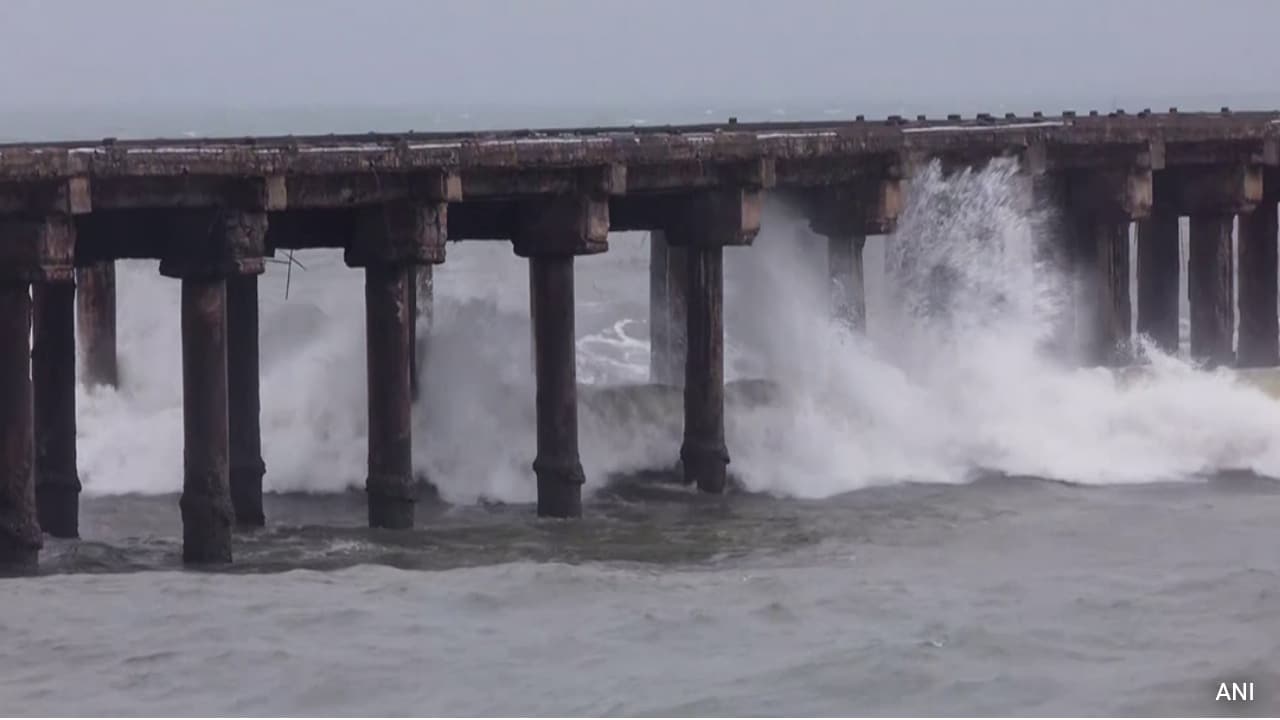
Federal disaster response units, alongside state-level machinery, have been placed on highest alert as communications in several coastal districts remain intermittent. Prime Minister’s Office and Chief Minister’s secretariats are closely monitoring real-time telemetry data to coordinate emergency relief operations, deploying dozens of National Disaster Response Force (NDRF) and State Disaster Response Force (SDRF) teams to marooned areas.
With millions of residents sheltering in designated community centers and cyclone-resistant shelters, local authorities are prioritizing medical evacuations and the restoration of critical infrastructure. As the storm system gradually tracks inland, meteorological experts warn that heavy to extremely heavy rainfall will persist across neighboring states, compounding the risk of flash floods and agricultural devastation.
📌 Essential Story Takeaways
- Severe Cyclonic Storm Arnab crossed the Andhra Pradesh and Yanam coasts between Bapatla and Visakhapatnam.
- Landfall timing concentrated between 2 am and 4 am local time, accompanied by winds exceeding 100 km/h.
- Over 100,000 residents evacuated to government-run relief shelters prior to the impact window.
- Extensive agricultural damage reported in delta regions, threatening standing paddy and horticultural crops.
Historical Background & Contextual Precedents
Cyclone Arnab developed from a low-pressure area that pooled over the central Bay of Bengal late last week. Fueled by sea surface temperatures exceeding 29 degrees Celsius, the system underwent rapid intensification within a 48-hour window, catching regional forecasters in a state of high alert. The historical precedents of severe cyclones in this specific geographical pocket—such as past storms that battered Machilipatnam and Kakinada—compelled federal and state disaster agencies to preemptively mobilize resources before the cyclone officially touched land.
Deep-Dive Investigation & Sectoral Impact
Furthermore, supply chain disruptions have begun rippling through regional markets. Logistics corridors, including major railway routes and the National Highway 16 grid, faced temporary halts due to debris accumulation and waterlogging. Port operations at Visakhapatnam and Gangavaram were suspended nearly 36 hours prior to landfall, stalling multi-commodity cargo movements and energy imports. Agricultural economists warn that the destruction of standing paddy crops right before harvest season will exert upward pressure on local food inflation, necessitating swift state-sponsored relief packages and crop insurance disbursement to prevent rural distress.
Stakeholder Perspectives & Official Statements
Conversely, opposition lawmakers and agricultural union leaders have raised concerns regarding the adequacy of compensation mechanisms for marginal farmers. Ramesh Naidu, president of the Coastal Farmers Federation, stated, ‘While saving lives is paramount—and the government deserves praise for that—the post-storm economic survival of smallholders whose entire livelihoods have been washed away requires immediate, unconditional financial lifelines.’ Meanwhile, corporate stakeholders in the port and logistics sectors expressed confidence in a rapid turnaround, anticipating full operational recovery within 72 hours provided power and telecommunication lines are swiftly restored.
Strategic Implications & Future Roadmap
Key economic milestones over the next fortnight include the release of preliminary disaster damage estimates by state revenue departments and the expedited processing of agricultural insurance claims. Long-term policy discussions are expected to reignite regarding the climate-proofing of coastal infrastructure, underground cabling mandates for power grids, and the expansion of resilient housing schemes for vulnerable coastal populations.
❓ Key Questions Answered (FAQ)
Cyclone Arnab formed due to the rapid intensification of a low-pressure system over the warm waters of the central Bay of Bengal, driven by favorable atmospheric conditions and high sea surface temperatures.
Coastal residents, agricultural workers, and port infrastructure in Andhra Pradesh and Yanam are the most affected. Immediate consequences include power outages, uprooted trees, flooded agricultural lands, and disrupted transport corridors.
Key milestones include the IMD's daily dissipation bulletins over the next 48 hours, the deployment of central damage assessment teams within a week, and the subsequent release of state-sponsored agricultural relief packages.


