
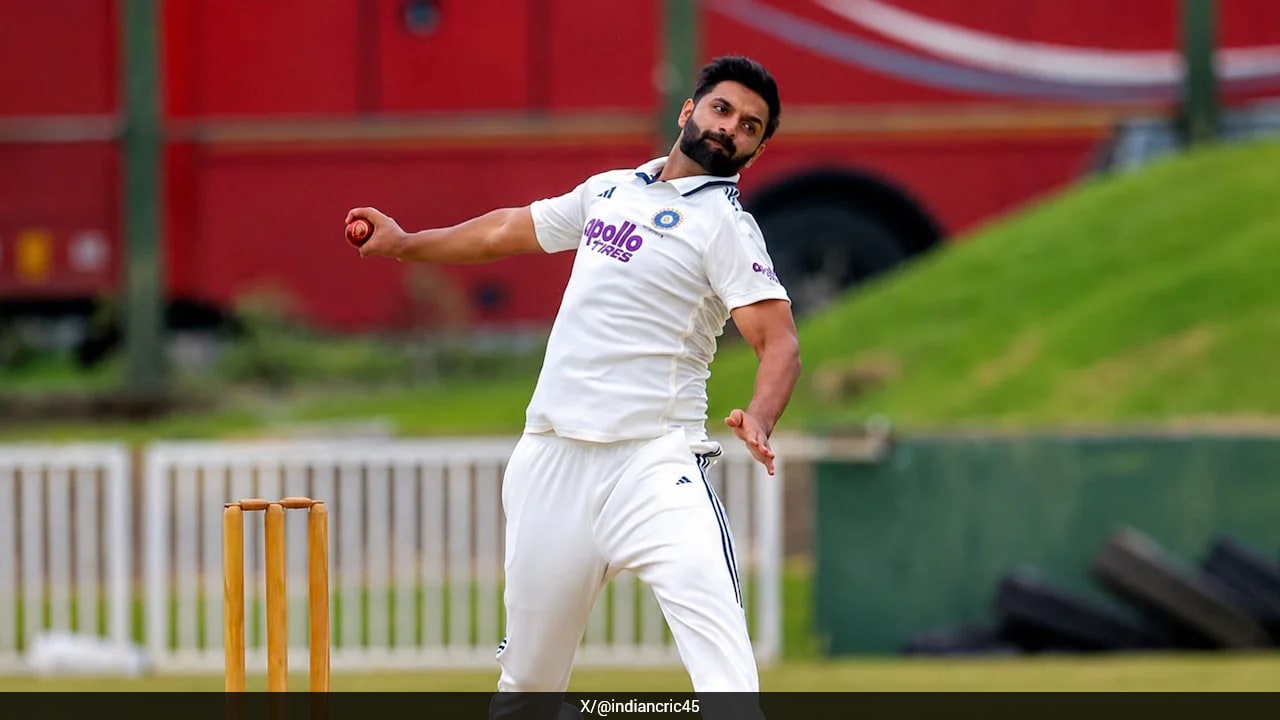
The contest, designed to test the depth and resilience of both nations’ premier developmental pipelines, showcased the immense talent bubbling beneath the surface of international cricket. Top-order batter Devdutt Padikkal orchestrated a masterclass in technique and temperament, while pace sensation Auqib Nabi dismantled the opposition’s batting lineup with incisive seam movement, pushing New Zealand A onto the back foot before the elements intervened.
Beyond the immediate sporting disappointment, the abrupt conclusion has reignited debates among sports administrators regarding infrastructure standards and playing conditions in international developmental fixtures. As bilateral boards increasingly rely on these shadow tours to groom future Test stars, questions surrounding match-timing flexibility and stadium lighting facilities have taken center stage in post-match analyses.
📌 Essential Story Takeaways
- Devdutt Padikkal scored a stellar half-century, anchoring the India A innings under challenging overseas conditions.
- Fast bowler Auqib Nabi claimed crucial wickets, proving his readiness for higher-tier international competition.
- Fading natural light at Hagley Oval forced an early stalemate, depriving India A of a hard-earned victory.
- The second unofficial 'A' Test is scheduled to commence on October 31 at the same venue, offering a swift opportunity for redemption.
Historical Background & Contextual Precedents
Over the past decade, the significance of developmental fixtures has surged exponentially amid crowded international calendars and the proliferation of franchise leagues. Nations have recognized that sustainable success relies on robust second-tier pipelines capable of producing plug-and-play replacements for aging legends. Consequently, matches hosted in southern hemisphere venues like Hagley Oval carry immense weight, often dictating national selection committees’ winter touring squads and long-term strategic roadmaps.
The venue itself, Christchurch’s Hagley Oval, holds a storied place in modern cricket lore, renowned for its sporting pitches that typically offer assistance to both fast bowlers and technically proficient batters. However, the coastal city’s maritime climate frequently introduces variables such as sudden cloud cover, brisk winds, and rapid loss of ambient light late in the afternoon—factors that have occasionally disrupted domestic and international fixtures alike.
Deep-Dive Investigation & Sectoral Impact
Concurrently, Devdutt Padikkal’s innings was a masterclass in pacing and spatial awareness. Facing a disciplined pace attack on a pitch offering variable bounce, Padikkal meticulously rotated the strike while punishing loose deliveries. Data compiled by performance analysts indicated a conversion rate of over 75 percent on scoring opportunities within the V, demonstrating exemplary shot selection that neutralized the hosts’ nuanced field placements.
Yet, the operational limitations of the venue came under intense scrutiny during the final session. While Hagley Oval boasts state-of-the-art facilities, historical resistance to deploying full-scale broadcast-grade floodlights for traditional red-ball ‘A’ fixtures remains a policy bottleneck. Governing bodies continue to weigh the romanticism of traditional daytime red-ball cricket against the pragmatic necessity of utilizing auxiliary lighting to prevent weather-related curtailments, a friction point that directly impacted the outcome of this fixture.
Stakeholder Perspectives & Official Statements
Conversely, local analysts and New Zealand Cricket representatives pointed to the resilience of their lower-order batters, who managed to stabilize the innings just as the light began to fade. Former Blackcaps internationals praised the competitive intensity of the contest, emphasizing that such hard-fought draws are invaluable for exposing young domestic talent to the rigorous mental fortitude required at the highest level.
Meanwhile, sports economists and broadcast partners have renewed calls for standardized infrastructure mandates across all officially sanctioned developmental tours. Industry insiders suggest that standardizing playing hours and implementing mandatory floodlight readiness for multi-day fixtures will protect stakeholders’ commercial interests and ensure sporting integrity is never compromised by meteorological vagaries.
Strategic Implications & Future Roadmap
From a policy perspective, ongoing discussions between cricket boards are expected to touch upon weather contingency protocols and the potential deployment of experimental playing conditions for future developmental tours. Stakeholders will closely monitor meteorological forecasts for the upcoming clash to preempt any logistical or scheduling disruptions.
Ultimately, the performances of breakout talents like Devdutt Padikkal and Auqib Nabi have provided national selectors with compelling data points ahead of upcoming senior winter tours. As the developmental pipeline continues to churn out world-class assets, the outcomes of these shadow series will heavily influence the strategic composition of international squads for years to come.
❓ Key Questions Answered (FAQ)
The match was prematurely halted due to fading natural light at Hagley Oval, which prevented India A from securing a victory despite commanding performances.
The India A squad is most affected, as they were denied a well-deserved win, though individual players like Devdutt Padikkal and Auqib Nabi significantly boosted their selection profiles.
The second unofficial 'A' Test is scheduled to begin on October 31 at the Hagley Oval in Christchurch, serving as the next major milestone for both developmental squads.





