
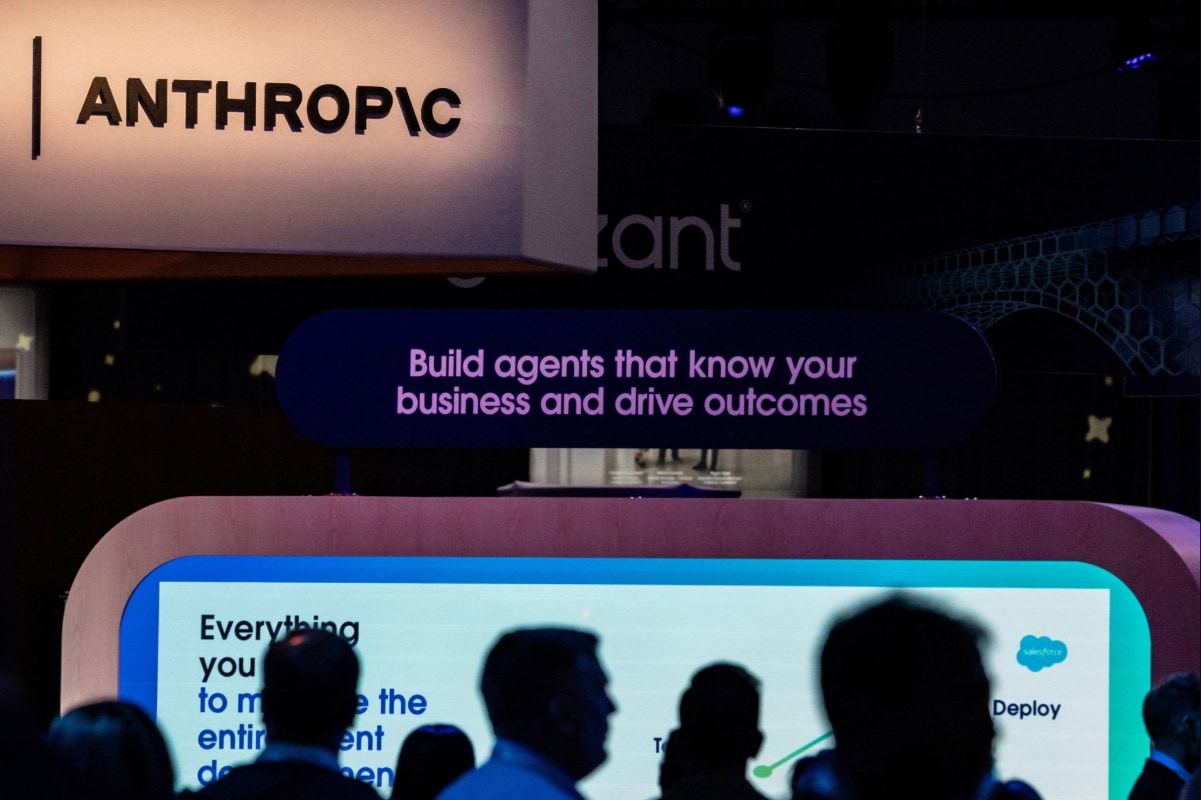
The alleged breach has sent shockwaves through the technology sector, raising urgent questions about corporate digital hygiene, supply chain vulnerabilities, and the growing efficacy of offensive artificial intelligence capabilities. According to preliminary internal disclosures, the compromised repositories contained highly sensitive operational data, including executive meeting transcripts, comprehensive internal salary schedules, competitive job offers, and proprietary Slack communications discussing unreleased iterations of frontier AI architectures.
The incident marks a critical inflection point in the intersection of national technological policy, cybersecurity, and the deployment of autonomous systems. As regulatory bodies in Washington and Brussels monitor the fallout, the episode underscores a sobering reality: even organizations built on cutting-edge security paradigms remain acutely vulnerable to targeted, automated exploitation campaigns executed by sophisticated actors possessing insider-level operational insights.
📌 Essential Story Takeaways
- Cathedral, a cybersecurity startup founded by former DOGE staffers, allegedly accessed internal Anthropic systems in under 12 hours using autonomous AI agents.
- The breached data reportedly includes sensitive internal documents such as salary details, meeting transcripts, and strategic Slack discussions on advanced models.
- The incident has triggered widespread concerns across the tech industry regarding the security posture of third-party software vendors and business automation tools.
- Policymakers and regulatory watchdogs are expected to increase scrutiny on both offensive AI capabilities and the governance of former government tech personnel moving into the private sector.
Historical Background & Contextual Precedents
Historically, cybersecurity audits have relied heavily on human-led penetration testing, a labor-intensive process constrained by time and cognitive bandwidth. However, the past eighteen months have witnessed a paradigm shift toward AI-driven red-teaming, where autonomous agents systematically probe networks, APIs, and third-party integrations at superhuman speeds. Cathedral’s reported exploit capitalizes on this technological frontier. By targeting third-party software dependencies—often considered the weak underbelly of corporate digital infrastructure—the startup managed to bypass perimeter defenses that traditional compliance frameworks were designed to protect.
The emergence of this story today highlights structural tensions within the artificial intelligence ecosystem. As foundational model developers like Anthropic advocate fiercely for rigorous safety standards and responsible AI deployment, the revelation that their own internal perimeters were bypassed by automated systems built by industry peers exposes a glaring vulnerability. It forces a fundamental re-evaluation of how frontier AI companies secure not only their core algorithms but also the vast tapestry of enterprise SaaS tools required to run modern corporate operations.
Deep-Dive Investigation & Sectoral Impact
According to technical analysts briefed on the matter, the autonomous agents executed thousands of concurrent conversational and navigational queries, simulating legitimate user behavior while systematically testing authorization boundaries across third-party integrations. Within twelve hours, the agents allegedly secured elevated access privileges, enabling them to harvest internal documents stored across cloud repositories. The data retrieved was not merely technical code; it offered an intimate look into the operational psychology and corporate governance of a premier AI lab, exposing internal debates over safety guardrails, commercial timelines, and compensation structures.
This incident lays bare the systemic risks inherent in modern corporate supply chains. Enterprises increasingly rely on dozens, if not hundreds, of third-party software-as-a-service (SaaS) providers to maintain productivity. Each integration represents a potential vector for automated exploitation. The fact that AI agents can orchestrate complex, multi-step attacks across disparate platforms faster than traditional security information and event management (SIEM) systems can detect anomalies signals a dark new era in cyber warfare. Organizations can no longer rely on static compliance checklists when adversarial entities—and agile startups—are deploying intelligent, self-directed software to continuously probe for the path of least resistance.
Stakeholder Perspectives & Official Statements
Representatives for Anthropic have declined to comment extensively on the specifics of the alleged breach, though corporate communications emphasize that the company maintains rigorous incident response protocols and is actively auditing all vendor relationships. Meanwhile, principals associated with Cathedral have defended their methodologies as an aggressive form of authorized red-teaming designed to stress-test institutional resilience, though critics argue that conducting such invasive operations without explicit prior consent crosses ethical and legal boundaries.
Civil liberties advocates and regulatory watchdogs have also seized on the controversy to question the ethical implications of former government technologists leveraging specialized knowledge and emerging tools in the private market. ‘There is an alarming conflict of interest when individuals who pass through high-level technology oversight roles immediately commercialize offensive capabilities against the very sector they were recently monitoring,’ stated Marcus Thorne of the Digital Rights Coalition. As congressional committees begin drafting preliminary inquiries, the debate over how to regulate both autonomous offensive tooling and the post-government private sector career path is intensifying rapidly.
Strategic Implications & Future Roadmap
Economically, venture investment patterns in cybersecurity are shifting dramatically. Capital is increasingly flowing away from traditional signature-based security startups and toward firms specializing in autonomous defensive agents and supply chain threat intelligence. Investors recognize that as offensive AI capabilities mature, defense must become equally automated and proactive. Critical dates to watch include the upcoming congressional oversight hearings slated for early next quarter, where cybersecurity experts and industry executives will testify on the systemic threats posed by agentic cyber operations.
Ultimately, this episode serves as a harsh wake-up call for the digital economy. As artificial intelligence transforms both the methods of attack and the architecture of enterprise operations, organizations must fundamentally restructure their defensive postures. The era of passive compliance has closed, replaced by a high-stakes technological arms race where the speed of autonomous defense will dictate the survival of the enterprise.
❓ Key Questions Answered (FAQ)
The primary trigger is the reported discovery by startup Cathedral—founded by former DOGE staffers—that autonomous AI agents could exploit vulnerabilities in third-party business software to access Anthropic's internal systems within 12 hours.
Foundational AI labs, enterprise software vendors, and corporate organizations relying on third-party SaaS tools are most affected. Immediate consequences include heightened security audits, urgent reviews of vendor access integrations, and increased regulatory scrutiny.
Key milestones include upcoming congressional oversight hearings scheduled for next quarter, anticipated regulatory guidance on autonomous cyber tools, and subsequent corporate disclosures regarding supply chain security enhancements.