
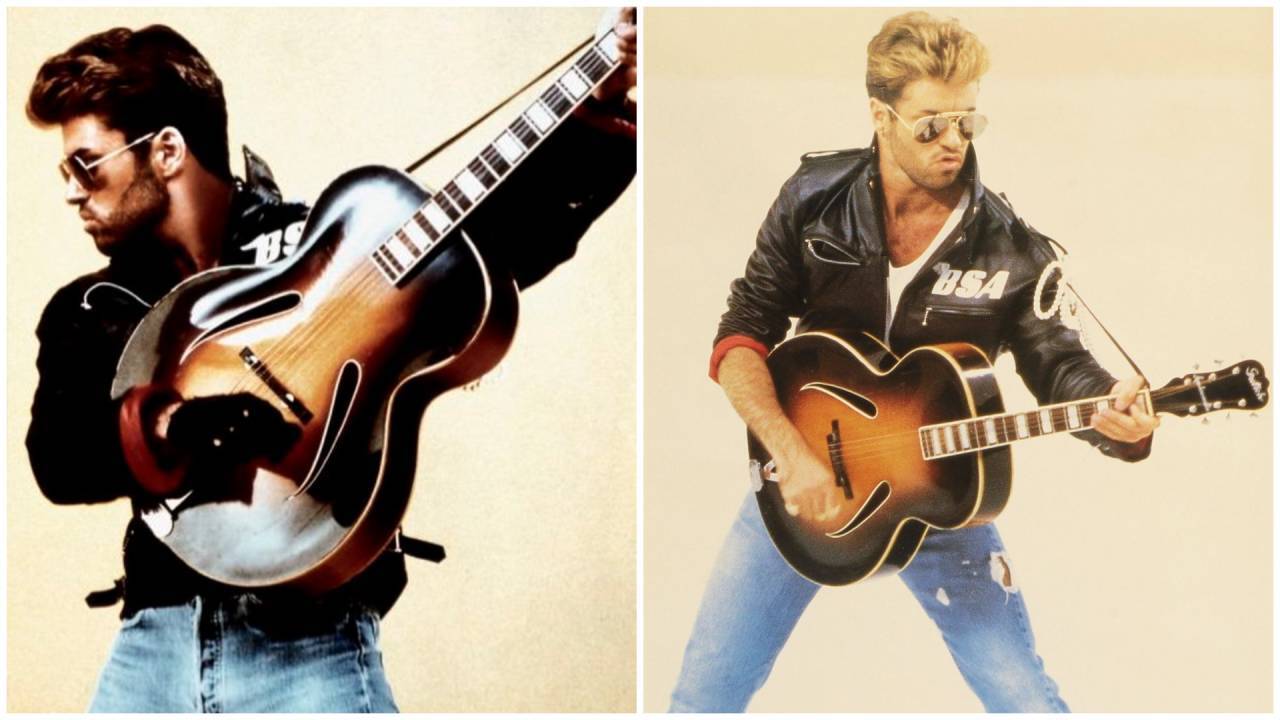
The sale has cast a harsh spotlight on the complex intersection of estate management, familial discord, and the booming commercial market for rock and pop history. While international collectors and fans vied fiercely for the legendary instrument—which helped cement Michael’s transition from Wham! heartthrob to gritty, leather-jacket-clad solo auteur—discontent simmered outside the auction room. Representatives for estranged branches of the family argued that the monetization of such culturally significant items runs counter to the private wishes of deceased relatives who preserved them.
The broader implications of the auction extend far beyond the gavel fall, raising pressing questions about how celebrity estates are curated, protected, and ultimately liquidated. As memorabilia markets continue to scale unprecedented financial heights, the clash over Michael’s ‘Faith’ guitar serves as a cautionary tale for executors, auctioneers, and beneficiaries alike. It highlights the volatile emotional toll exacted when priceless pieces of musical history are thrust into the open market against the backdrop of unresolved interpersonal grievances.
📌 Essential Story Takeaways
- George Michael's iconic 1987 'Faith' music video guitar sold at public auction for £234,000.
- The transaction triggered an immediate family dispute involving Gerard Bailey and estranged relatives.
- Controversy centers on claims that late family member Siobhan Bailey intended the memorabilia for her nieces and nephews.
- The sale underscores rising commercial valuations and ethical complexities within the global pop memorabilia market.
Historical Background & Contextual Precedents
Over the decades, items from Michael’s personal collection have occasionally surfaced in private and public spheres, often attracting intense scrutiny from his fiercely loyal fanbase and estate executors. However, the involvement of items held by extended family members outside the direct control of the official George Michael estate introduces a complex legal labyrinth. The casual transfer of high-value cultural artifacts among friends, relatives, and associates often leaves a murky paper trail, creating fertile ground for posthumous disputes when commercial opportunities arise.
The friction between market valuation and familial sentimentality is a recurring theme in the preservation of music history. As rare instruments associated with seminal artistic moments appreciate exponentially in value, the temptation to liquidate assets often clashes with the preservationist impulses of relatives who view the items as sacred family heirlooms. This particular auction encapsulates the modern tension between the multi-billion-pound collector economy and the personal, human cost of dividing a disputed estate.
Deep-Dive Investigation & Sectoral Impact
The supply chain of pop memorabilia often relies on informal gifting and personal associations established during the height of a star’s fame. In this case, the transition of the instrument through private hands lacked the rigorous corporate documentation typically associated with institutional archives or formal estate executors. This ambiguity allowed the auction to proceed under standard commercial consignment terms, even as moral and ethical challenges were raised by blood relatives who felt excluded from the decision-making process.
Financial analysts tracking the pop memorabilia sector note that items directly linked to visual iconography—such as the acoustic guitar and leather jacket from the ‘Faith’ video—command top-tier prices precisely because they evoke a specific, globally recognized cultural moment. Yet, this investigative dive into the transaction underscores a darker undercurrent: the capitalization of grief and legacy. The friction between legal title and moral ownership continues to challenge the integrity of secondary markets, where auction houses frequently operate within strict legal boundaries while ignoring deeply rooted familial consensus.
Stakeholder Perspectives & Official Statements
Conversely, advocates for the dissenting family faction argue that legal title does not equate to ethical stewardship. Cultural heritage experts have pointed out that the lack of clear provenance protocols in the secondary market leaves vulnerable families exposed to premature liquidation of irreplaceable historical artifacts. ‘When items of this magnitude enter the commercial sphere without universal family consent, we lose a piece of our collective cultural memory to private vaulting,’ noted one prominent pop-culture archivist.
Public reaction among George Michael’s international fanbase has been overwhelmingly mixed, with many expressing sadness that an artifact so central to the singer’s legacy has become a lightning rod for familial discord. While collectors celebrate the preservation and valuation of music history, supporters of the Bailey family emphasize the human cost of turning cherished personal history into a high-stakes commodities transaction.
Strategic Implications & Future Roadmap
Economically, the robust price achieved for the ‘Faith’ guitar confirms that the market for elite pop memorabilia remains largely insulated from broader economic downturns, driven by institutional buyers and high-net-worth private collectors. However, increased scrutiny from families and consumer advocacy groups may prompt auction platforms to adopt more rigorous transparency and mediation protocols when handling consignments marked by internal disputes.
As the dust settles on the sale, critical dates to watch include potential legal filings regarding the distribution of the auction proceeds and any subsequent statements from the official George Michael estate concerning the safeguarding of remaining authorized artifacts. The ongoing debate ensures that the legacy of ‘Faith’ will remain entangled in discussions of ownership, ethics, and the commercialization of pop music history for the foreseeable future.
❓ Key Questions Answered (FAQ)
The primary trigger was the public auction of George Michael's 1987 'Faith' music video guitar for £234,000, organized by Ian Belcher and fiercely opposed by his late wife Siobhan Bailey's brother, Gerard Bailey.
The extended family members—specifically Siobhan Bailey's nieces and nephews who were allegedly intended to receive the memorabilia—are most affected, resulting in a public family dispute and heightened scrutiny over estate and memorabilia liquidation ethics.
Key milestones include potential legal proceedings regarding the distribution of the auction proceeds, official statements from the primary George Michael estate, and upcoming policy discussions within auction houses regarding disputed consignments.





