
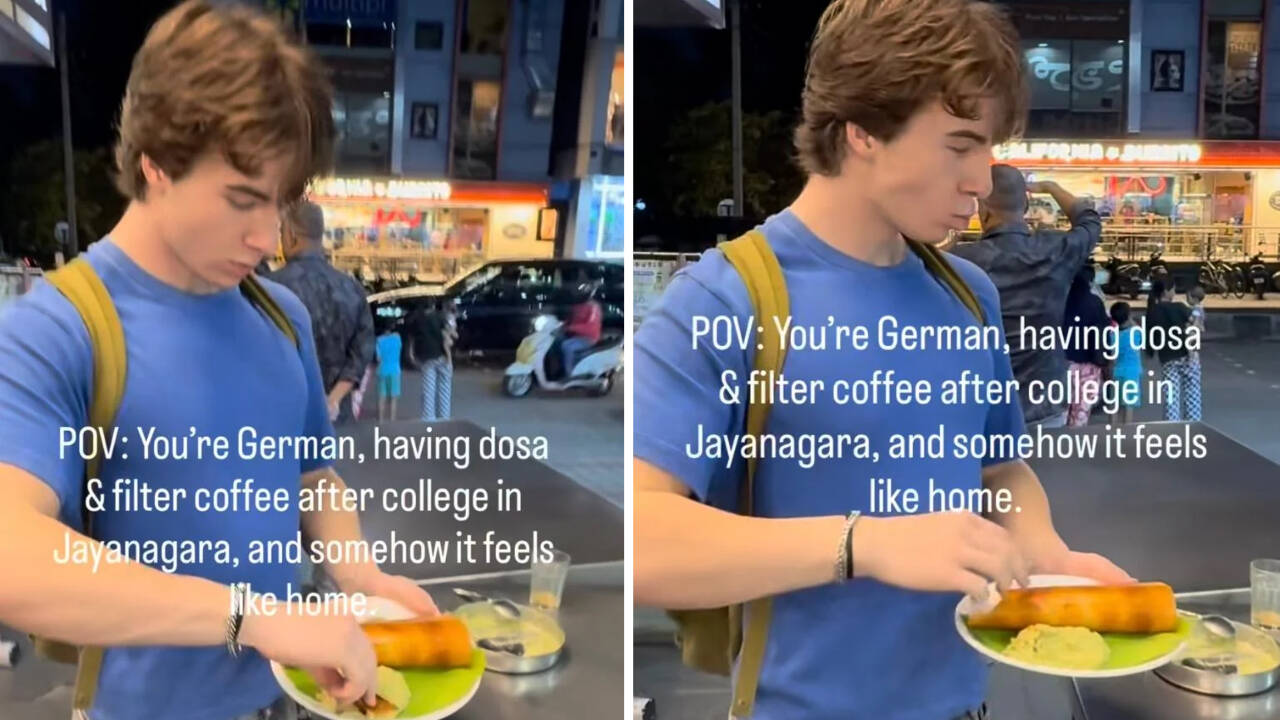
The video, which rapidly saturated social media algorithms across X, Instagram, and local community forums, captures the foreign national navigating the nuanced choreography of South Indian tiffin culture with practiced ease. Within forty-eight hours of publication, the post amassed millions of impressions, drawing humorous yet poignant commentary from netizens who jokingly declared his formal induction into Indian citizenship by virtue of his palate. Beyond the viral levity, however, the episode has catalyzed serious discourse among sociologists, urban planners, and hospitality experts regarding the magnetic pull of regional Indian gastronomy and the evolving expatriate experience in Tier-1 Indian metropolises.
Institutional observers note that Mads’ public embrace of local culinary heritage reflects a broader structural shift in how expatriates interact with urban Indian spaces. No longer confined to insulated, Western-centric enclaves in districts like Indiranagar or MG Road, foreign professionals and digital nomads are increasingly embedding themselves into the hyper-local fabric of traditional neighborhoods like Jayanagara. This grassroots cultural exchange not only bolsters the economic vitality of legacy micro-enterprises but also redefines soft diplomacy at the citizen level, proving that shared sensory experiences can bridge vast civilizational divides faster than formal diplomatic channels.
📌 Essential Story Takeaways
- German national Mads went viral after documenting his authentic South Indian breakfast experience at Dakshin Thindi in Bengaluru's Jayanagara.
- The digital discourse highlighted a growing trend of expatriates moving away from insulated enclaves to embrace hyper-local neighborhoods.
- Social media users humorously dubbed the interaction as grounds for expedited Indian citizenship via Aadhaar integration.
- Local culinary tourism in Bengaluru has seen a notable uptick in digital engagement following international endorsements of traditional tiffin houses.
Historical Background & Contextual Precedents
Historically, expatriates arriving in Bengaluru were funneled into corporate housing complexes and international clubs, rarely venturing into the bustling, chaotic, yet deeply systematic world of local tiffin rooms. However, the proliferation of hyper-local social media content and food vloggers over the last five years has dismantled these invisible walls. Establishments like Dakshin Thindi, Vidyarthi Bhavan, and CTR have transformed from neighborhood stalwarts into global culinary landmarks. Today’s expatriate arrivals are digitally pre-conditioned to seek out authentic gastronomic experiences, viewing local food not merely as sustenance, but as an essential rite of passage for true integration into the city’s cosmopolitan fabric.
Deep-Dive Investigation & Sectoral Impact
However, this surge in popularity has created operational bottlenecks for legacy establishments operating on tight profit margins and generational recipes. Supply chains for core ingredients—such as Sona Masuri rice, urad dal, and organic jaggery, alongside premium-grade Chikmagalur coffee beans—face increasing pressure to maintain uncompromised quality amidst swelling customer volumes. Furthermore, spatial dynamics in older residential and commercial zones like Jayanagara are being severely tested. Urban planners note that inadequate parking infrastructure, pedestrian congestion, and the rapid commercialization of residential plots are threatening the very charm that draws locals and foreigners alike to these culinary hubs. Municipal authorities are currently weighing localized traffic-calming measures and pedestrianization trials around major heritage food clusters to balance commercial growth with neighborhood liveability.
Stakeholder Perspectives & Official Statements
Conversely, hospitality sector veterans warn against the superficial commodification of heritage dining experiences driven purely by algorithmic virality. Ramesh Rao, managing partner of a legacy Bengaluru tiffin enterprise, cautions that while international attention is flattering, the core operational ethos must not be compromised for social media aesthetics. ‘Our filter coffee is brewed through a slow percolation method passed down through three generations; it cannot be rushed to satisfy viral trends,’ Rao asserts. Meanwhile, netizens continue to celebrate the humor in the situation, with popular online forums generating memes about bureaucratic integration, jokingly suggesting that consuming three consecutive dosas should automatically qualify a foreign national for a local municipal voting ballot.
Strategic Implications & Future Roadmap
Economically, small and medium-sized culinary enterprises in Bengaluru are projected to experience sustained growth as international remote work policies and digital nomad visas facilitate longer stays for foreign nationals in the city. Stakeholders emphasize that maintaining infrastructure integrity, parking management, and waste disposal around cultural hubs will be critical economic priorities for local governance bodies. As Bengaluru continues to expand its global footprint, the humble dosa and filter coffee will undoubtedly remain potent symbols of a welcoming, inclusive urban identity that seamlessly bridges local tradition with international curiosity.
❓ Key Questions Answered (FAQ)
A German national named Mads published a viral video documenting his authentic South Indian breakfast experience at Dakshin Thindi in Jayanagara, Bengaluru, prompting widespread humorous and appreciative commentary online.
Legacy tiffin eateries and local micro-entrepreneurs are experiencing increased foot traffic and digital visibility, while municipal authorities face renewed pressure to manage urban infrastructure and pedestrian congestion around heritage food hubs.
Key milestones include the proposed launch of the Karnataka Tourism Department's 'Heritage Tiffin Trail' app in Q3 of the upcoming fiscal year, alongside upcoming municipal reviews on pedestrianizing key cultural zones in Bengaluru.





