
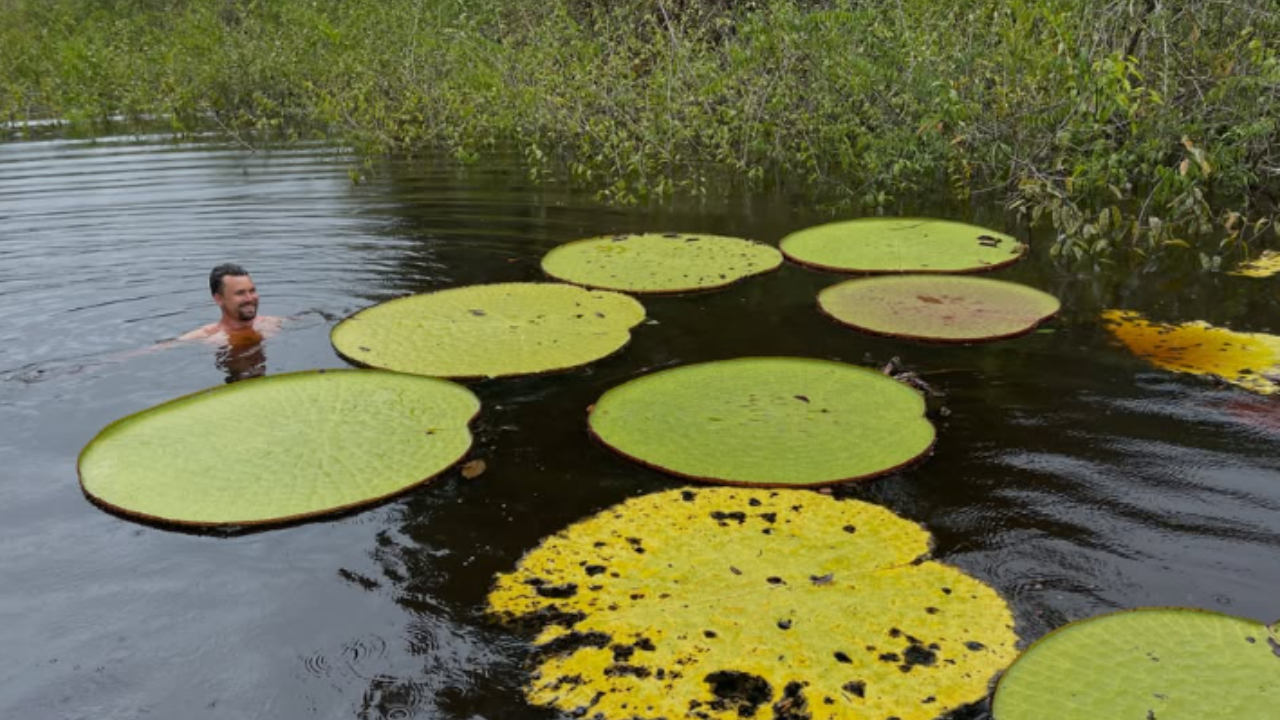
The discovery, spearheaded by researchers from the National University of Colombia and the Royal Botanic Gardens, Kew, underscores a paradigm shift in modern botany where citizen science and digital platforms increasingly intersect with rigorous academic fieldwork. By analyzing high-resolution digital imagery shared across public networks, scientists were able to bypass years of preliminary reconnaissance, directing vital resources straight to the remote tributaries of the Orinoco River basin where the elusive specimens thrive.
Yet, this celebration of biodiversity is heavily tempered by sobering ecological realities. Environmental assessments conducted during the formal classification process revealed that *Victoria colombiana* is already facing critical endangerment. With restricted geographic ranges, vulnerable local ecosystems, and escalating anthropogenic pressures threatening the Amazonian-Orinoco ecotone, conservationists warn that this newly minted species could face extinction before the decade is out unless immediate legislative and habitat protections are enforced.
📌 Essential Story Takeaways
- A 2021 Instagram post by a traveling plant enthusiast served as the catalyst for discovering a new giant waterlily species.
- Researchers from the National University of Colombia and Royal Botanic Gardens, Kew, formally named the plant *Victoria colombiana*.
- Despite its recent scientific introduction, the species faces critical endangerment due to highly restricted population sizes and habitat loss.
- The discovery highlights the growing role of citizen science and digital photography in accelerating biological fieldwork and taxonomic breakthroughs.
Historical Background & Contextual Precedents
The historical difficulty of documenting these aquatic giants stems from their inhospitable habitats. Flourishing in oxbow lakes and slow-moving river channels across the Amazon and Orinoco basins, these plants are guarded by dense networks of wetlands, seasonal flooding, and geopolitical isolation. Historically, explorers relied on serendipitous riverboat encounters and arduous physical expeditions. The sudden pivot to digital scouting via social media platforms represents a profound evolution in field biology, proving that crowdsourced imagery can bridge the vast logistical chasms that have traditionally hindered tropical research.
This modern rediscovery surfaces at a critical juncture for global biodiversity frameworks. As deforestation, agricultural expansion, and climate shifts relentlessly alter South American freshwater ecosystems, species that evaded human categorization for millennia are now blinking out of existence before they can even be cataloged. The emergence of *Victoria colombiana* serves as both a testament to the unmapped riches of the Amazonian borderlands and a stark warning regarding the fragility of these irreplaceable ecological archives.
Deep-Dive Investigation & Sectoral Impact
On the ground in the Guainía department, the investigative reality paints a complex picture of resource access and ecological vulnerability. The local aquatic ecosystems supporting *Victoria colombiana* are increasingly pressurized by upstream agricultural runoff, unregulated artisanal mining, and shifting hydrological patterns linked to broader regional climate anomalies. Supply chains for illicit coca cultivation and subsequent eradication efforts have also historically destabilized parts of the Guainía and Vichada departments, restricting continuous academic monitoring and leaving fragile riparian zones exposed to unmitigated degradation.
Furthermore, the commercial and horticultural value of giant waterlilies creates a clandestine pull factor. Botanical institutions and private collectors worldwide place high premiums on rare specimens, raising legitimate concerns regarding biopiracy and over-collection. Investigative audits of regional export permits underscore the urgent need for stringent regulatory enforcement by Colombian environmental authorities, ensuring that the formal announcement of *Victoria colombiana* does not inadvertently sign its death warrant by advertising its exact geographic coordinates to unscrupulous collectors.
Stakeholder Perspectives & Official Statements
Colombian environmental authorities and academic stakeholders have similarly seized the moment to lobby for heightened conservation status in the Guainía department. Officials from the Ministry of Environment and Sustainable Development noted that the discovery provides critical leverage for establishing community-managed protected areas along the Orinoco tributaries. Local indigenous leaders, whose ancestral knowledge of the waterways often predates modern scientific taxonomy, have stressed that any conservation framework must center local stewardship. Indigenous spokespersons articulated that protecting *Victoria colombiana* is inseparable from defending the broader watershed, which sustains regional food security and spiritual heritage.
Meanwhile, conservation economists and wildlife policy analysts point out that the species’ severe endangerment requires immediate, targeted funding injections. Without international grants and domestic budgetary allocations dedicated to habitat monitoring, the species risks remaining an academic footnote rather than a catalyst for systemic environmental reform. Industry analysts note that leveraging the charisma of *Victoria colombiana* could drive eco-tourism initiatives, providing sustainable livelihoods for Guainía residents while ensuring the long-term preservation of the unique wetlands.
Strategic Implications & Future Roadmap
Economic projections indicate that the plant will become a focal point for sustainable regional development, with eco-tourism operators designing specialized river expeditions centered around the Guainía wetlands. However, experts caution that visitor access must be tightly regulated to prevent ecological disruption of the delicate aquatic nurseries. Key milestones to watch include the upcoming United Nations biodiversity summits, where Colombian delegates are expected to feature *Victoria colombiana* as a flagship species in discussions regarding Amazonian and Orinoco basin conservation financing. As these institutional gears begin to turn, the future of the world’s newest giant waterlily hangs in a delicate balance between rigorous scientific stewardship and immediate, decisive policy action.
❓ Key Questions Answered (FAQ)
The discovery was directly triggered by a 2021 Instagram post featuring photographs of giant waterlilies in Colombia's Guainía region, which caught the attention of botanists who identified distinct structural anomalies.
The local ecosystems and indigenous communities of the Guainía department are most affected, facing the challenge of protecting a newly identified, critically endangered species from habitat loss, climate pressures, and potential over-collection.
Key milestones include the upcoming Colombian Ministry of Environment protected-area designations for Guainía, international botanical garden breeding updates, and upcoming UN biodiversity summits featuring the species.





