
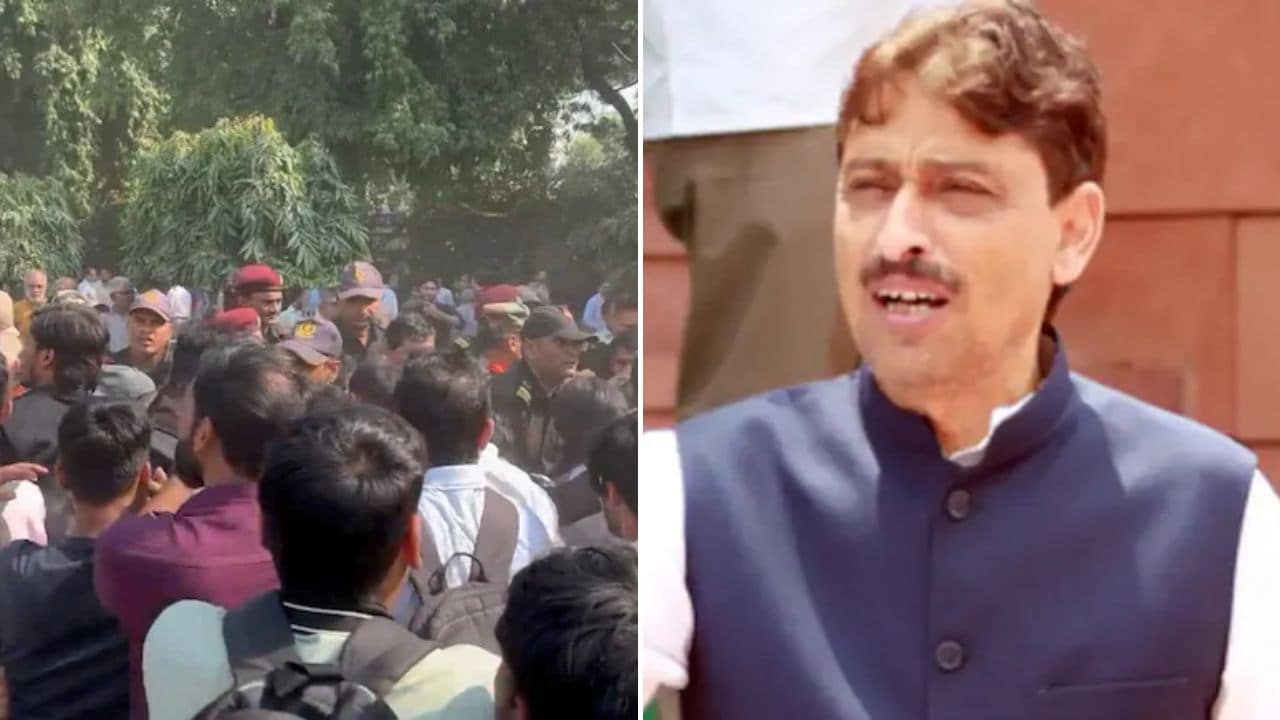
The confrontation underscores a volatile intersection of partisan national politics and autonomous academic governance, drawing intense scrutiny from civil rights groups, political parties, and educational administrators alike. The university administration maintains that the presence of parliamentarians within campus perimeters without prior authorization constituted a severe breach of institutional protocols, potentially exacerbating an already fragile security situation on the grounds.
Meanwhile, the lack of an immediate, formal response from the Delhi Police regarding the status of the complaint—or the parallel allegations raised by student bodies concerning the alleged detention of multiple protesters outside Gate 7—has fueled a vacuum of information, amplifying public concern and calls for transparency from both legal experts and political stakeholders across the national capital.
📌 Essential Story Takeaways
- Jamia Millia Islamia administration has formally filed a police complaint accusing visiting Congress MPs of unauthorized trespassing.
- The legal action stems from a volatile student stir over administrative policies and campus governance.
- Student organizations have alleged wrongful detentions of protesters by law enforcement outside the university's Gate 7.
- Delhi Police have yet to issue a formal statement or register an FIR based on the university's complaint.
Historical Background & Contextual Precedents
The current unrest traces its roots to simmering discontent among student bodies regarding academic regulations, campus elections, and administrative transparency. Historically, political figures have frequently visited the campus to express solidarity with protesting students, often leading to friction with university authorities who are legally bound to maintain neutrality and secure the academic environment. The latest escalation is a direct continuation of these long-standing tensions over where the boundaries of free speech, political expression, and institutional jurisdiction lie.
Deep-Dive Investigation & Sectoral Impact
However, counter-narratives from student collectives present a starkly different picture of the power dynamics at play. Eyewitness accounts and video footage corroborate that students were peacefully demonstrating outside administrative blocks when external political leaders arrived to offer solidarity. The subsequent police deployment outside Gate 7 resulted in chaotic scenes, with multiple student leaders reporting aggressive detentions and subsequent holding without formal charges for hours.
Legal experts note that central universities operate under specific statutory frameworks where the Vice-Chancellor holds ultimate authority over campus access, making unauthorized entry by outsiders a potential violation of institutional rules. Yet, questions remain regarding the proportionality of the administration’s response and whether criminalizing political solidarity sets a dangerous precedent for academic freedom and democratic dissent within Indian higher education institutions.
Stakeholder Perspectives & Official Statements
Conversely, leaders from the Indian National Congress have strongly condemned the police complaint, labeling it an authoritarian attempt to suppress legitimate political opposition and shield the university administration from accountability regarding student welfare. Opposition lawmakers argue that visiting a public university funded by taxpayers is a fundamental right of elected representatives, particularly when students allege administrative high-handedness.
Student unions have also voiced outrage, calling the legal action an act of intimidation designed to deter future protests. Meanwhile, civil liberties advocates have urged both the university and law enforcement to exercise restraint, emphasizing that dialogue and adherence to democratic principles are essential to resolving the underlying grievances rather than escalating legal battles.
Strategic Implications & Future Roadmap
In the medium term, the university administration faces mounting pressure to address the core academic and administrative demands raised by the student body to prevent further unrest. Upcoming academic council meetings and scheduled administrative reviews will serve as critical benchmarks for gauging whether the institution can restore normalcy and constructive dialogue.
Externally, this incident is expected to reverberate across national political platforms, likely featuring prominently in parliamentary discussions regarding the autonomy of central universities and the treatment of student activists. Stakeholders across the educational sector will be watching closely to see if this confrontation establishes a restrictive new precedent for political engagement on Indian campuses.
❓ Key Questions Answered (FAQ)
The primary trigger is a student protest over administrative policies that drew the unscheduled arrival of Congress MPs onto the campus, prompting the university administration to file a trespassing complaint.
The student community and university administration are most affected, facing heightened campus security, potential legal fallout for political visitors, and continued uncertainty regarding student grievances.
Key milestones include any formal announcements or FIR registrations by the Delhi Police regarding the complaint, and upcoming university administrative meetings addressing student demands.


