
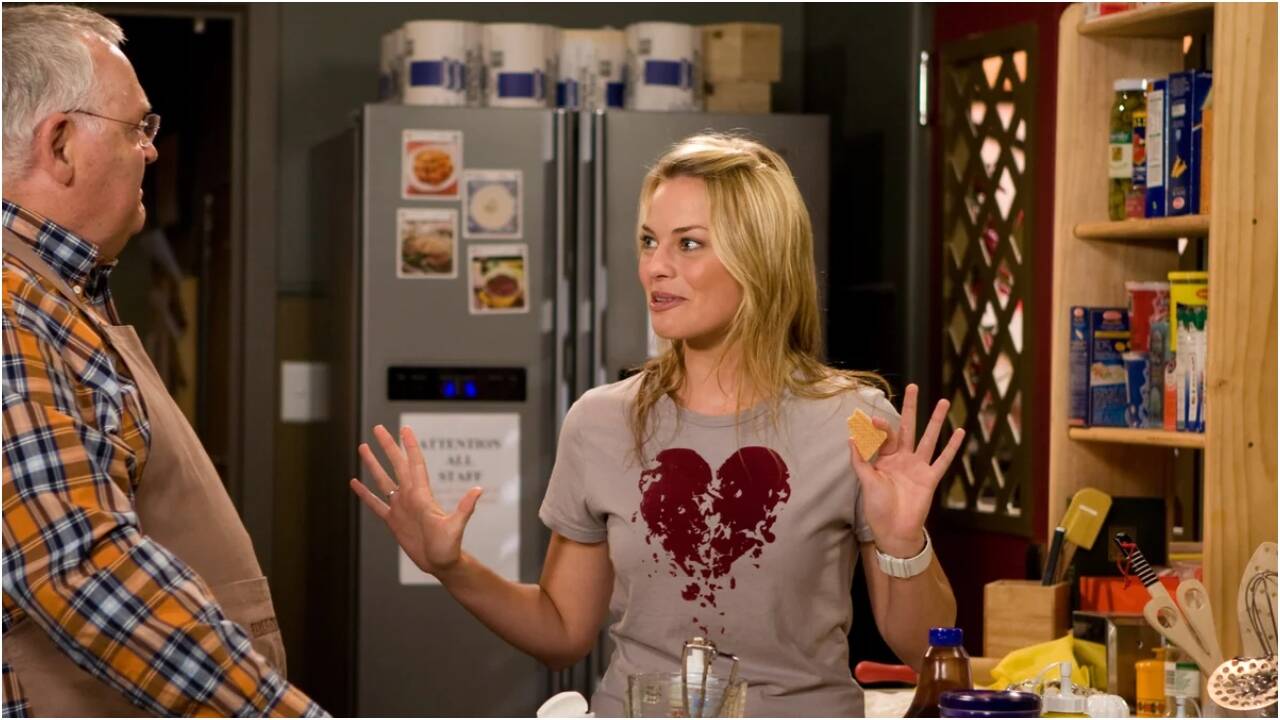
Yet, this modernization gambit has triggered immediate friction across the Australian entertainment landscape. Former cast members and industry unions have raised urgent alarms regarding performer consent, digital likeness rights, and the ethical boundaries of repurposing archival broadcast performances through generative computational tools. As legacy media companies scramble to monetize legacy catalogs for attention-economy metrics, the intersection of AI processing and historical acting archives presents an unprecedented legal and moral testing ground.
Industry analysts view the pilot project as a bellwether for the broader television industry. With studios globally seeking low-cost methods to bridge the generational divide, the weaponization of classic footage via automated cropping, reframing, and synthetic enhancement threatens to set a precarious precedent. As the first vertical rollout looms, stakeholders are caught in a tense tug-of-war between commercial viability and the fundamental rights of performers over their foundational work.
📌 Essential Story Takeaways
- Archival episodes of Neighbours featuring Margot Robbie are being reformatted into vertical microdramas using AI-driven cropping and editing tools.
- The project sparks intense debate regarding retroactive consent, digital rights management, and the ethical use of actor performances.
- Fremantle's mobile-first strategy targets younger demographics who consume narrative content primarily via short-form social media feeds.
- Industry unions are monitoring the rollout closely to establish protective guardrails for legacy actors whose older work is repurposed computationally.
Historical Background & Contextual Precedents
The genesis of this digital adaptation trend lies in the dramatic collapse of traditional television viewership among Gen Z and millennial cohorts. As linear ratings decline, media conglomerates face immense financial pressure to extract value from extensive intellectual property libraries. The convergence of advanced computer vision, automated aspect-ratio conversion, and generative editing tools has made the wholesale restructuring of legacy television technically trivial and economically enticing. However, the legal frameworks governing these 1980s, 90s, and 2000s contracts rarely anticipated algorithmic reformatting, leaving a massive grey area that rights holders are now aggressively exploiting.
Deep-Dive Investigation & Sectoral Impact
Power dynamics within this supply chain heavily favor multinational distribution entities over individual talent. Legacy contracts signed over a decade ago typically granted broad syndication and exploitation rights in perpetuity, language that distributors now interpret to include emerging generative and computational delivery formats. Performers who signed standard supporting contracts as young actors possess virtually no contractual leverage to halt the algorithmic re-cutting of their formative work. This systemic imbalance has laid bare the vulnerabilities of traditional talent agreements in the face of rapid technological disruption, prompting urgent calls for industry-wide collective bargaining reforms.
Stakeholder Perspectives & Official Statements
Conversely, digital media strategists defend the pivot as an essential survival tactic in a hyper-competitive attention economy. Fremantle representatives maintain that breathing new life into classic arcs serves to honor the show’s legacy by introducing iconic characters to entirely new generations of fans who would otherwise never engage with traditional soap operas. Legal experts, however, point out that while copyright ownership currently favors the studio, the psychological and reputational ramifications for high-profile alumni like Robbie—whose brand equity is carefully managed globally—add a volatile layer of corporate risk that standard contract law fails to capture.
Strategic Implications & Future Roadmap
Critical milestones to watch include the official public launch date of the Donna Freedman microdrama series and any formal policy statements issued by major performer guilds regarding legacy catalog adaptation. Should high-profile actors challenge these digital re-cuts in court, the resulting jurisprudence could permanently redefine the boundaries of intellectual property and performer rights in the age of generative media automation.
❓ Key Questions Answered (FAQ)
The primary catalyst is the convergence of declining linear television viewership among younger demographics and the rapid maturation of AI-driven video reformatting tools, compelling studios to monetize legacy archives through short-form social media channels.
Former soap opera actors and legacy cast members are most affected, facing a reality where their historical performances are algorithmically repurposed without new consent or compensation, highlighting systemic gaps in historical talent contracts.
Key milestones include the official platform release of the Margot Robbie vertical microdrama series, subsequent studio viewership data disclosures, and upcoming union collective bargaining sessions focused on digital likeness and AI adaptation rights.





