
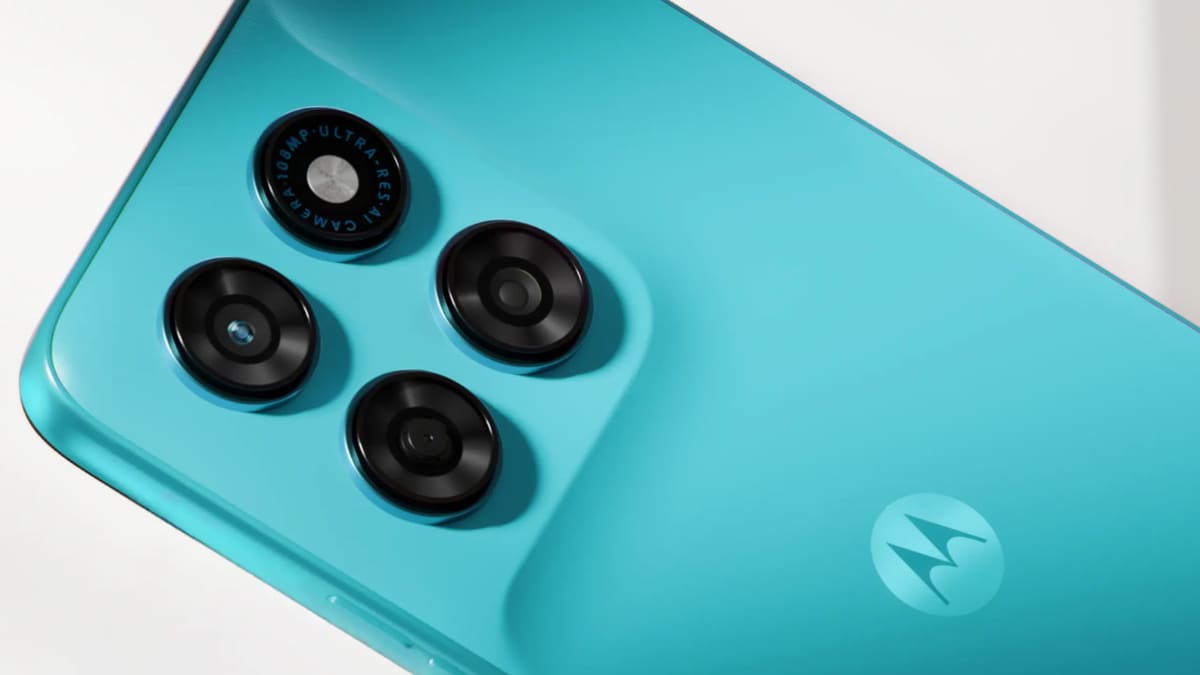
The device anchors its hardware architecture around a robust 7,000mAh battery, a specification that places it in a rarified category of mobile devices capable of multi-day operation under standard user metrics. Supplementing this power reservoir is a high-resolution 108-megapixel primary rear camera sensor, signaling a decisive shift toward high-pixel photography in affordable hardware classes. Motorola’s strategic positioning of the Moto G47 Power targets heavy mobile users, gig-economy workers, and digital consumers in developing and emerging economies where uninterrupted connectivity is an economic necessity.
Initial market reception suggests the device will aggressively test the pricing thresholds established by rival manufacturers in Asia-Pacific and Latin American corridors. By pairing the expansive battery and high-megapixel optics with the MediaTek Dimensity 6300 chipset and the nascent Android 16 operating system, Motorola is attempting to capture market share from competitors reliant on legacy software iterations. Stakeholders across the supply chain are monitoring production volumes closely to gauge whether manufacturing yields can sustain anticipated high-volume demand through the upcoming fiscal quarters.
📌 Essential Story Takeaways
- The Moto G47 Power features a massive 7,000mAh battery designed for multi-day usage without recharging.
- It incorporates a 108-megapixel rear camera sensor, bringing high-resolution imaging to the mid-tier market.
- The handset is powered by the MediaTek Dimensity 6300 processor and ships with Android 16 out of the box.
- Global rollout has begun in select international markets, intensifying competition in the affordable device segment.
Historical Background & Contextual Precedents
Today’s launch of the Moto G47 Power represents the culmination of this technological trajectory. Building directly upon the foundation laid by the base Moto G47 model, this iteration responds to profound shifts in global consumer habits, where smartphones serve as primary computing hubs, financial terminals, and professional tools. The integration of the MediaTek Dimensity 6300 platform highlights how semiconductor suppliers are aggressively tailoring energy-efficient architectures to meet the demands of power-conscious consumers. By introducing this device into select global markets today, Motorola is capitalizing on macroeconomic pressures that have driven consumers to seek high-value, durable hardware over frequent, costly upgrades.
Deep-Dive Investigation & Sectoral Impact
Under the hood, the choice of the MediaTek Dimensity 6300 chipset coupled with 4GB of RAM reflects a targeted performance baseline. While power users may demand higher RAM configurations for intensive multitasking, the inclusion of Android 16 out of the box ensures that software optimization offsets hardware limitations. Google’s latest operating system brings advanced resource management and efficiency protocols that harmonize effectively with the Dimensity 6300’s dual-cluster CPU design. Furthermore, the inclusion of a 108-megapixel sensor indicates a reliance on pixel-binning technology to deliver sharp, detailed imagery in varied lighting conditions, addressing the core consumer demand for superior camera capabilities without escalating retail costs into the flagship pricing bracket.
Stakeholder Perspectives & Official Statements
Competitor responses have been swift, with regional sales directors at rival original equipment manufacturers (OEMs) indicating that counter-strategies involving aggressive promotional discounting and bundled accessory packages are already in development. Meanwhile, software developers have praised the device’s inclusion of Android 16, emphasizing that early adoption of the platform in the mid-tier segment accelerates the ecosystem-wide transition to modern security and API standards. Retail partners report robust pre-inquiry metrics, suggesting that end-users are increasingly prioritizing utilitarian hardware longevity over incremental cosmetic updates.
Strategic Implications & Future Roadmap
❓ Key Questions Answered (FAQ)
The launch is driven by escalating consumer demand for extended battery autonomy and high-resolution imaging in affordable devices, prompting Motorola to upgrade the standard Moto G47 architecture.
Mid-tier competitors face immediate pressure to match the 7,000mAh battery specification, while budget-conscious consumers gain access to flagship-tier battery capacity and high-megapixel photography at lower price points.
Key milestones include the broader regional rollout schedules anticipated in Q1 2026, subsequent supply chain volume reports, and official corporate performance metrics detailing early sales adoption.





