
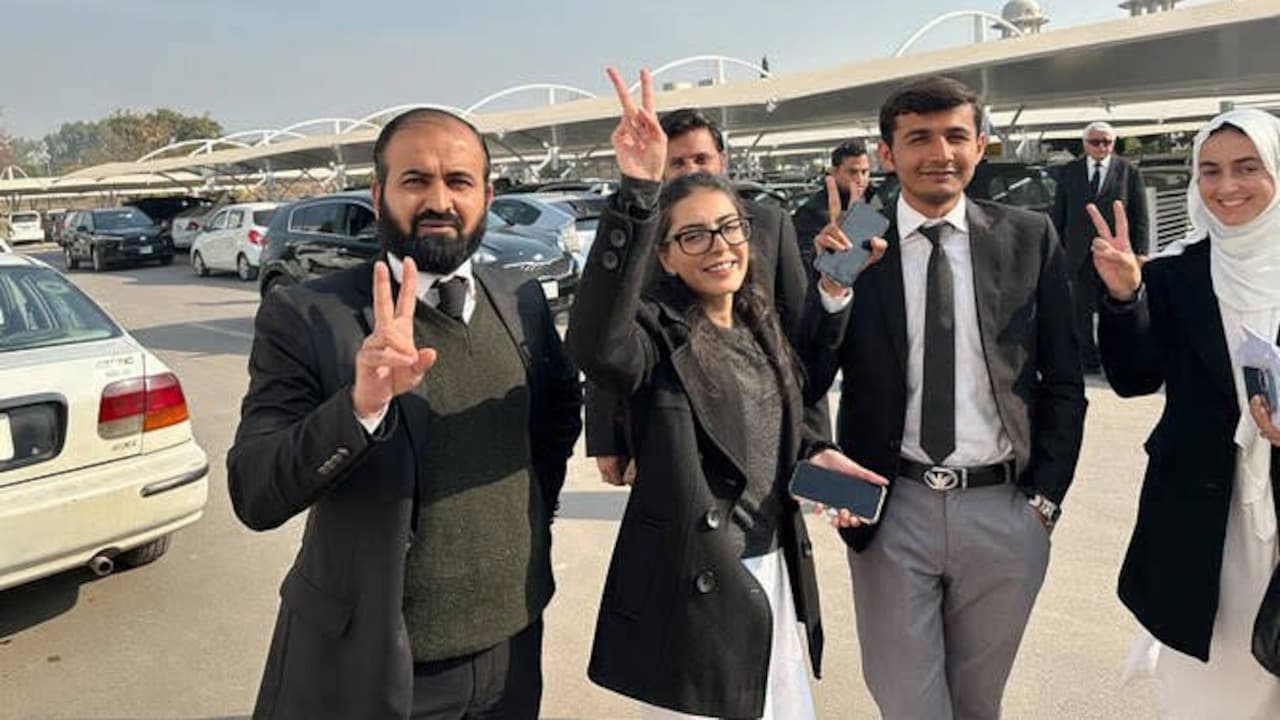
The prosecution’s case centered on allegations that Mazari and her co-accused facilitated or orchestrated disruptions that compromised the impenetrable red-zone protocols established for the visiting international squad. Pakistan, which spent years successfully rehabilitating its image as a safe host for marquee international cricket tours, treats any breach of visiting team security as a matter of supreme national interest. Consequently, the invocation of stringent anti-terrorism statutes against a civilian human rights attorney has ignited a fierce domestic and global debate regarding the proportionality of the charges and the independence of the judiciary in high-stakes political cases.
Institutional stakeholders, ranging from the Pakistan Cricket Board (PCB) to international players’ associations and diplomatic missions in Islamabad, are closely monitoring the fallout from the verdict. While domestic authorities maintain that the rule of law was applied strictly to safeguard public order and international diplomatic obligations, civil society organizations view the verdict as a chilling message directed at legal professionals who challenge state narratives. The immediate societal impact is palpable, hardening existing polarization between state institutions and human rights advocates while casting an unexpected shadow over Pakistan’s meticulously cultivated sports diplomacy portfolio.
📌 Essential Story Takeaways
- Prominent Pakistani human rights lawyer Imaan Mazari and her husband were sentenced to 10 years in prison by an anti-terrorism court.
- The charges stem from an alleged breach of elite security protocols put in place for the England cricket team's 2024 tour of Pakistan.
- International human rights organizations and legal bodies have condemned the ruling as an abuse of anti-terrorism laws against civil dissidents.
- The verdict raises serious questions about the future of international athletic tours and the protection of civil liberties in Pakistan.
Historical Background & Contextual Precedents
Simultaneously, Imaan Mazari has established herself over the past decade as one of Pakistan’s most tenacious and visible human rights defenders. Daughter of former federal minister Shireen Mazari, she has consistently represented victims of enforced disappearances, political detainees, and marginalized ethnic communities, frequently putting her at loggerheads with the military establishment and intelligence agencies. Her marriage and professional association with fellow activists further magnified her profile within progressive circles. Over the past two years, the legal environment for dissenting voices in Pakistan has deteriorated significantly, characterized by the frequent invocation of cybercrime acts, maintenance of public order ordinances, and anti-terrorism provisions to silence critics.
The convergence of these two distinct narratives—the supreme sanctity of state-managed cricket security and the systematic crackdown on anti-establishment legal advocates—crystallized in the 2024 proceedings. Investigators framed the alleged security breach not merely as a localized public order infraction, but as an intentional sabotage of national security interests, providing the state with the legal justification to escalate the charges to the anti-terrorism court. This historical trajectory explains why an incident ostensibly linked to a sports tour culminated in a decade-long prison sentence, reflecting broader systemic pressures on legal practitioners in the country.
Deep-Dive Investigation & Sectoral Impact
An analysis of the power dynamics at play reveals a troubling pattern regarding the expansion of anti-terrorism jurisprudence in Pakistan. Originally legislated to combat violent extremist organizations such as the Tehreek-e-Taliban Pakistan (TTP) and sectarian outfits, anti-terrorism courts (ATCs) have increasingly been utilized to adjudicate political dissent, labor strikes, and human rights advocacy. Legal analysts interviewed for this report highlight that trying a civilian human rights lawyer under ATC guidelines for an alleged security obstruction sets a dangerous precedent, effectively criminalizing legal representation and civil protest by equating dissent with terrorism.
Furthermore, the logistics of securing international sports teams in Pakistan involve multi-agency coordination between the military, intelligence bureaus, provincial police, and the PCB. Our investigation indicates that the strict parameters enforced around the England team created immense friction with local populations experiencing severe traffic blockades, curfews, and economic disruptions. Rather than addressing the structural grievances of citizens affected by these sweeping security lockdowns, the state elected to prosecute high-profile critics, transforming a logistical policing challenge into a high-stakes political show trial designed to deter future mobilization.
Stakeholder Perspectives & Official Statements
Conversely, government spokespersons and prosecuting authorities have defended the judicial outcome, maintaining that the trial was conducted in full compliance with procedural laws. Speaking on condition of anonymity due to protocol restrictions, a senior government official asserted, ‘The security of foreign guests, particularly high-profile international sports teams, is a non-negotiable pillar of national sovereignty. Any individual, regardless of their profession, who deliberately attempts to compromise these arrangements must face the full might of the law.’ The official rejected claims of political victimization, insisting that the judiciary operated independently.
Meanwhile, the Pakistan Bar Council and various provincial high court bar associations have threatened nationwide strikes and legal boycotts in response to the verdict. Defense attorney coalitions argue that targeting lawyers for the actions or political stances of their clients destroys the fundamental tenets of an independent legal system. Sports diplomacy analysts, however, remain cautiously focused on the potential repercussions for upcoming international tours, noting that foreign cricket boards closely evaluate the political stability and legal security of host nations before committing to multi-week itineraries.
Strategic Implications & Future Roadmap
Policy-wise, the ruling is expected to further shrink the civic space for human rights defenders, forcing non-governmental organizations and legal aid providers to reassess their operational security and advocacy strategies. Domestically, civil society networks are mobilizing for sustained campaigns, raising fears of heightened street-level confrontations between state security forces and pro-democracy activists. Economically and diplomatically, the international community will be watching closely to see whether the deterioration of the rule of law begins to impact Pakistan’s broader diplomatic engagements, particularly bilateral trade agreements and future sports hosting bids.
Critical dates to watch in the coming weeks include the formal filing of the appeal petition expected by early next week, followed by the initial hearing dates set by the High Court bench. Additionally, upcoming international cricket board delegations visiting Pakistan in the subsequent months will provide a tangible metric of whether athletic diplomacy remains insulated from these domestic judicial storms or if the security apparatus will face intensified international scrutiny.
❓ Key Questions Answered (FAQ)
The primary trigger is a ruling by a Pakistani anti-terrorism court sentencing human rights lawyer Imaan Mazari and her husband to 10 years in prison over an alleged breach of security arrangements for the England cricket team during its 2024 tour.
Imaan Mazari and her husband face severe personal liberty loss, while the broader civil society, human rights community, and legal profession in Pakistan face heightened intimidation and a shrinking civic space. International sports diplomacy and Pakistan's judicial credibility are also profoundly impacted.
Key milestones include the imminent filing of appeals in the Lahore High Court and Supreme Court, upcoming legal bar association strikes, and the evaluations by international cricket boards regarding future security protocols for touring squads.





