
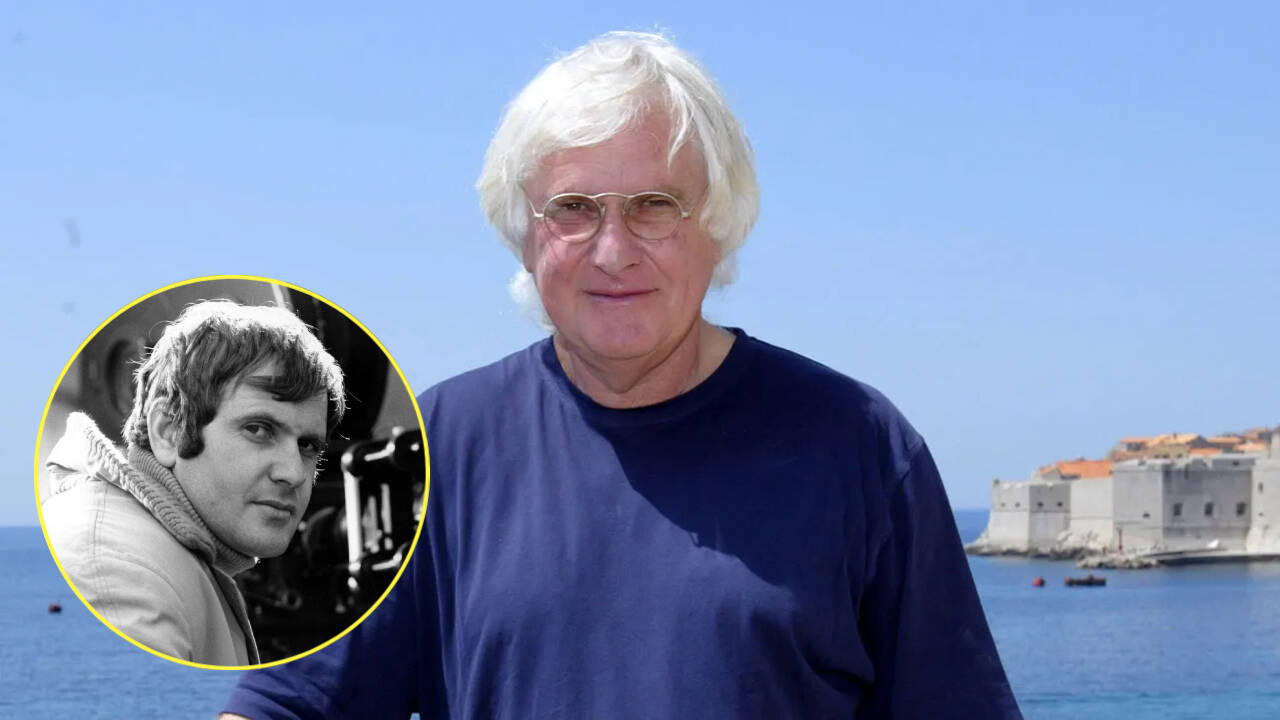
Over a prolific career that yielded 27 feature films and numerous celebrated television episodes, Medak navigated immense creative shifts within the global entertainment industry. Best known to cult horror audiences for the supernatural classic ‘The Changeling’ (1980) and to crime drama aficionados for the visceral biographical feature ‘The Krays’ (1990), Medak operated with a distinct visual precision that continually challenged commercial formulas.
The passing of the veteran auteur marks the conclusion of an era defined by immigrant resilience and artistic reinvention in Hollywood. Throughout his life, Medak maintained a reputation as an uncompromising craftsman who prioritized atmospheric depth and character authenticity over hollow blockbuster spectacle, earning the deep respect of peers and cinephiles worldwide.
📌 Essential Story Takeaways
- Peter Medak passed away in Los Angeles at the age of 88, concluding a cinematic career spanning six decades.
- He directed 27 feature films across diverse genres, including horror, satire, and biographical crime drama.
- His most celebrated works include the haunted-house classic 'The Changeling', the dark satire 'The Ruling Class', and the East End gangster chronicle 'The Krays'.
- He is survived by four children and five grandchildren, alongside a vast archive of influential film and television contributions.
Historical Background & Contextual Precedents
Medak transitioned to feature-film direction in the late 1960s, quickly establishing a reputation for dark irony and stylistic bravura. His breakout came with the anarchic satirical masterpiece ‘The Ruling Class’ (1972), which earned Peter O’Toole an Academy Award nomination and showcased Medak’s fearless penchant for subverting bourgeois morality. Over the ensuing decades, Medak’s career trajectory mirrored the unpredictable structural transformations of the film industry itself, forcing him to fluidly pivot between independent art-house projects, studio assignments, and the burgeoning landscape of high-end television production.
Deep-Dive Investigation & Sectoral Impact
Despite critical triumphs, Medak’s career was also marked by the standard industry friction common among uncompromising auteurs. Projects frequently faced budgetary constraints, studio interference, or shifts in distribution paradigms that left several of his films undervalued upon initial release. Yet, as cultural tastes evolved, critical reassessments transformed works like ‘The Ruling Class’ and ‘The Changeling’ into revered classics. Later in life, Medak successfully bridged the gap to modern prestige television, directing critically acclaimed episodes of landmark series such as ‘Homicide: Life on the Street’ and ‘Breaking Bad’, proving his enduring adaptability across changing mediums.
Stakeholder Perspectives & Official Statements
Fellow filmmakers and former collaborators highlighted his fierce independence and meticulous preparation on set. ‘Peter approached every project, whether a studio thriller or an independent drama, with the intensity of an artist driven by absolute necessity,’ noted one prominent film preservationist. Retrospective screenings and institutional tributes are already being planned by international film archives to honor his multifaceted legacy and ensure his substantial cinematic output remains accessible to future generations of artists and scholars.
Strategic Implications & Future Roadmap
Medak’s surviving family, alongside estate representatives, will collaborate with film historians to catalogue unproduced screenplays, personal correspondence, and behind-the-scenes documentation from his six-decade career. These upcoming milestones will cement his historical standing not merely as a journeyman director of diverse genres, but as a defining architect of modern atmospheric cinema whose influence will continue to resonate deeply within contemporary visual storytelling.
❓ Key Questions Answered (FAQ)
The passing of veteran Hungarian-born film and television director Peter Medak at the age of 88 in Los Angeles, confirmed by family and industry representatives.
Medak's family, close collaborators, and the global film community are most affected. Immediate consequences include an outpouring of critical retrospectives, memorial tributes, and renewed public interest in his cinematic catalog.
Key milestones include forthcoming archival retrospectives at major international film festivals and institutional announcements regarding the digital restoration of his lesser-known feature films.





