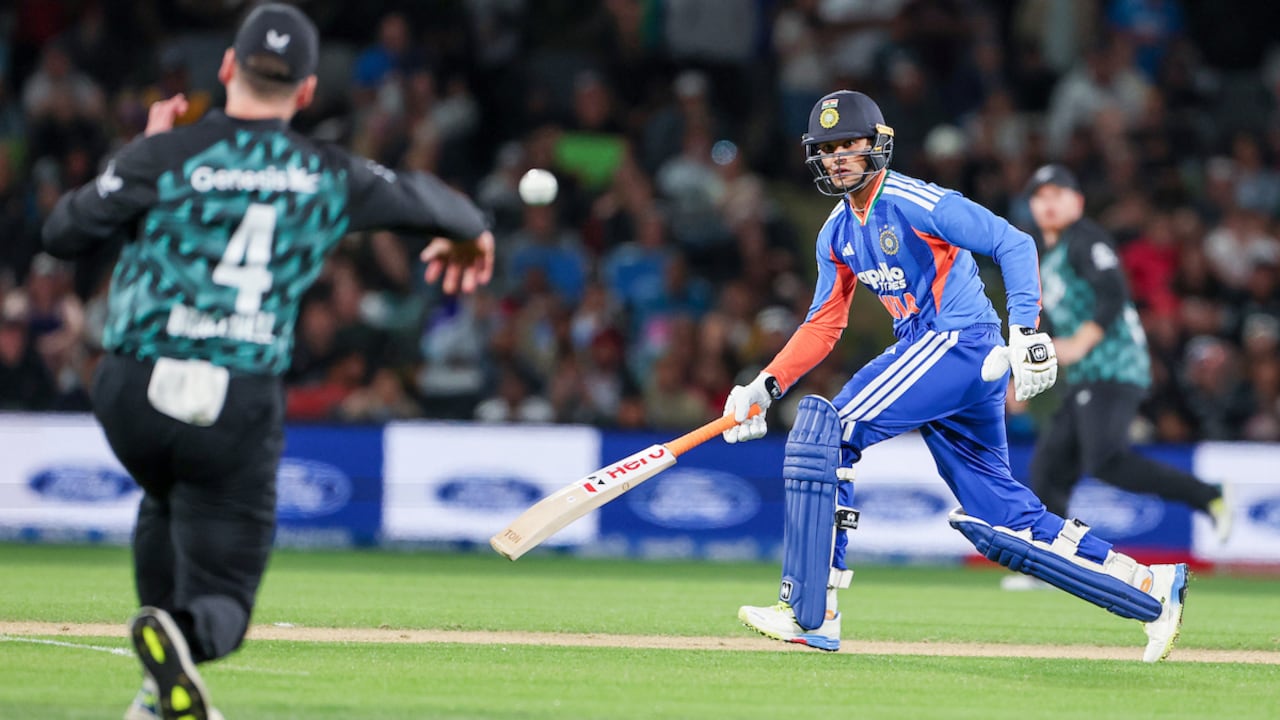
Governing bodies, tactical analysts, and fans worldwide have reacted with astonishment to the milestone, which redefines the boundaries of aggressive intent in the game’s shortest format. The International Cricket Council (ICC) and various domestic boards have increasingly monitored the strategic inflation of powerplay scoring, viewing it as a primary driver of modern T20 commercial appeal. Abhishek’s ability to consistently pierce fielding restrictions with aerial dominance has shifted the baseline expectation for opening partnerships, forcing opposing captains to fundamentally rethink defensive field placements and bowling strategies from the very first legal delivery.
The immediate cultural and societal impact of Abhishek’s record-breaking innings reverberates deeply across the global cricketing diaspora, particularly in cricket-obsessed South Asia where sporting milestones carry immense weight. Young aspiring athletes view the feat not merely as a statistical anomaly, but as a blueprint for modern survival in an increasingly hyper-competitive sporting landscape. As broadcasters report surging viewership figures linked directly to powerplay aggression, the commercial valuation of aggressive opening specialists is projected to skyrocket, altering franchise auction dynamics and national team selection paradigms alike.
📌 Essential Story Takeaways
- Abhishek Sharma became the first batter in T20I history to hit 100 sixes inside the powerplay phase.
- The milestone surpasses the previous benchmark held by Indian captain Rohit Sharma, marking a generational shift in opening strategies.
- Data analytics and aggressive coaching philosophies are driving unprecedented scoring rates during fielding restrictions.
- Upcoming bilateral series will test whether opposing bowling attacks can adapt to this ultra-aggressive powerplay paradigm.
Historical Background & Contextual Precedents
Abhishek Sharma’s ascent to this historical summit is the direct product of modern high-performance academies, advanced biomechanical analysis, and a systemic shift in team culture that prioritizes high strike rates over traditional anchor roles. Statisticians tracking powerplay efficiency noted a sharp upward trajectory in boundary percentages over the last four years, setting the stage for a transcendent talent to break the century barrier. The fact that this record fell to a younger generation practitioner underscores the compounding effect of modern coaching philosophies, where risk aversion is systematically phased out in favor of calculated, high-reward aerial assaults from ball one.
Deep-Dive Investigation & Sectoral Impact
Behind this individual brilliance lies a sophisticated support ecosystem involving data analysts, power-hitting consultants, and video archivists who dissect opposing bowling lengths down to the millisecond. Investigative conversations with high-performance coaches reveal that modern preparation involves virtual reality simulations of powerplay scenarios, training batters to identify back-of-a-length deliveries instantaneously and convert them into pull shots over square leg. This industrialization of boundary-hitting has transformed batting from an art form reliant on innate touch into an exact science of physics and spatial manipulation, explaining why milestones once thought unattainable are now falling with increasing frequency.
Stakeholder Perspectives & Official Statements
Conversely, traditionalists have voiced concerns regarding the balance between bat and ball, arguing that modern rule sets and flat pitches heavily favor the aggressor to the detriment of bowling artistry. Bowling coaches have publicly called for a re-evaluation of fielding restrictions or ball-aging regulations to restore equilibrium. Despite these debates, sports economists emphasize that the entertainment value derived from such record-breaking performances remains the primary engine driving global broadcast revenues and fan engagement, ensuring that governing bodies will likely maintain current rules to favor high-octane offensive displays.
Strategic Implications & Future Roadmap
❓ Key Questions Answered (FAQ)
The milestone was driven by Abhishek Sharma's sustained aggressive intent, advanced bat-speed training, and a modern tactical shift that prioritizes boundary-hitting over anchoring during the mandatory powerplay overs.
Opening bowlers and fielding captains face immediate pressure to redesign powerplay strategies, while franchise auction markets and national selectors must now re-evaluate how they value ultra-aggressive boundary hitters.
Key dates include the upcoming international bilateral series starting next month, where analysts will monitor whether opposing attacks implement new tactical counters to powerplay aggression.