
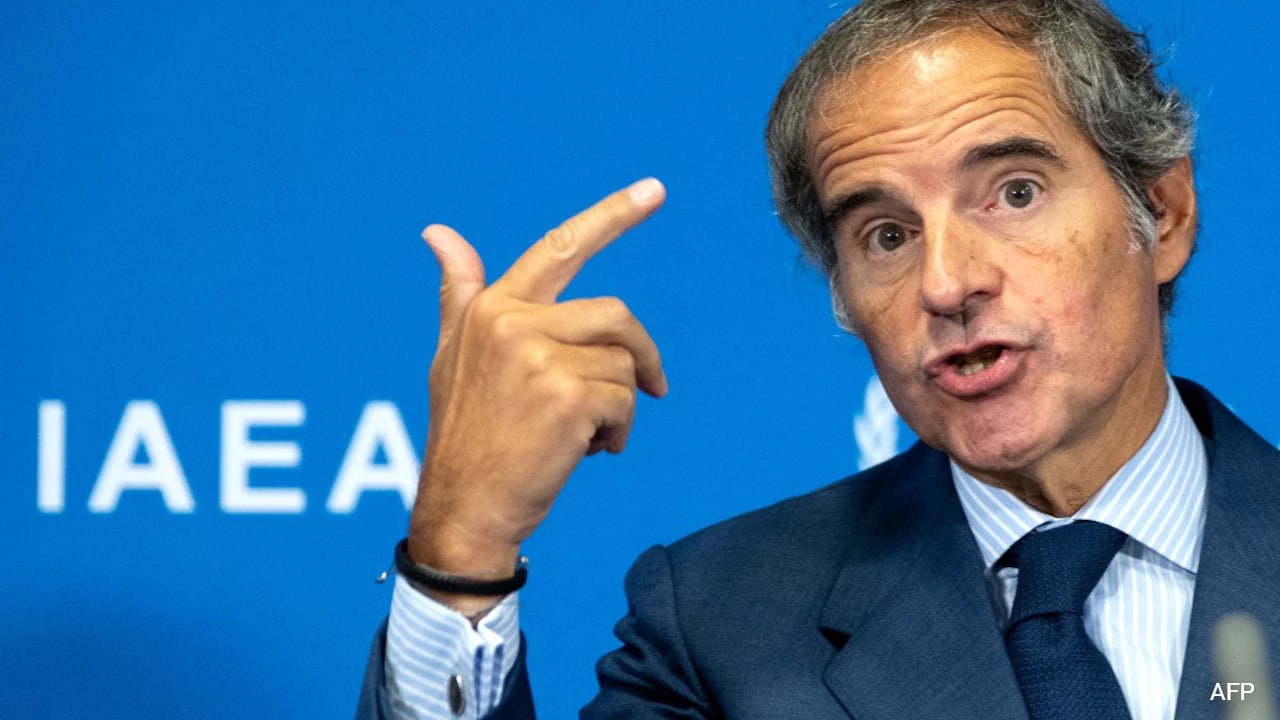
The extraordinary convergence of diplomatic pressure and intelligence reports has placed global stability on edge, invoking memories of past crises that preceded severe economic sanctions. Major institutional stakeholders, including permanent members of the Security Council and regional Middle Eastern powers, are currently locked in intense behind-the-scenes consultations to avert a military escalation. Western diplomats maintain that Tehran’s refusal to cooperate leaves the international community with virtually no reliable verification mechanisms regarding its enriched uranium stockpiles and advanced centrifuge production lines.
For the broader global economy and regional populace, the immediate societal impact is profound. Financial markets have begun reacting to the palpable threat of renewed geopolitical volatility, driving up crude oil futures and creating acute uncertainty for trade routes across the Persian Gulf. Citizens across the Middle East face the looming specter of heightened conflict, while international civil society organizations warn that ordinary Iranians will bear the brunt of any subsequent economic strangulation should diplomatic channels collapse entirely under the weight of this renewed impasse.
📌 Essential Story Takeaways
- IAEA Director General Rafael Grossi has formally demanded immediate, unhindered access to critical Iranian nuclear sites.
- The UN Security Council is actively reviewing Tehran's nuclear file following a formal non-compliance referral from the IAEA board last month.
- Global energy markets have registered increased volatility and rising crude prices amid mounting fears of regional conflict and renewed economic sanctions.
- Diplomatic stakeholders face a rapidly narrowing window for renewed negotiations ahead of the upcoming IAEA quarterly reporting cycle.
Historical Background & Contextual Precedents
Today’s crisis surfaced because successive diplomatic frameworks have failed to institutionalize a permanent, trust-based verification regime. Over the past three years, Iran has incrementally disconnected or disabled numerous IAEA surveillance cameras, dismantled remote monitoring systems, and barred several veteran inspectors from entering the country. These actions created persistent blind spots that alarmed Western intelligence agencies and the IAEA alike, culminating in last month’s board referral. The historical precedent demonstrates that each cycle of restricted access inevitably invites harsher multilateral censure, creating a cyclical dynamic of defiance and economic isolation that defines modern Middle Eastern geopolitics.
Deep-Dive Investigation & Sectoral Impact
The power dynamics governing this investigative landscape are exceptionally complex. Tehran utilizes its nuclear advancements as strategic leverage to compel sanctions relief from Western powers, calculating that the threat of a regional war will deter kinetic interventions. Conversely, the United States, United Kingdom, France, and Germany—collectively known as the E3—are utilizing the UN Security Council mechanism to construct a legal and diplomatic foundation for potential snapback sanctions. Supply chain tracking further indicates that Iran has demonstrated remarkable resilience in procuring dual-use materials through intricate networks of front companies, circumventing existing international trade restrictions with increasing sophistication. This cat-and-mouse game between international inspectors and covert procurement cells underscores the staggering difficulty of enforcing non-compliance mandates in an increasingly fragmented global order.
Stakeholder Perspectives & Official Statements
Conversely, Iranian officials have fiercely defended their sovereign rights, dismissing the IAEA resolution as a politically motivated instrument orchestrated by Western powers. Iranian Foreign Ministry spokespersons have characterized the watchdog’s demands as excessive interference, arguing that Tehran has cooperated within the legal framework of its Comprehensive Safeguards Agreement. Meanwhile, regional analysts and non-proliferation experts express profound pessimism. Dr. Elena Vance, a senior fellow at the Global Security Institute, noted: ‘We have entered a zone of maximum peril. The traditional diplomatic off-ramps are eroding rapidly, and neither side appears willing to blink first, creating a dangerous structural momentum toward a major crisis.’
Strategic Implications & Future Roadmap
Policy impact will likely be felt swiftly across diplomatic missions, with European capitals weighing whether to trigger the full snapback mechanism of the dormant JCPOA before its official expiration date. Critical dates to watch include the next quarterly IAEA Board of Governors meeting and upcoming ministerial-level consultations in Geneva. If Tehran maintains its refusal to grant access, the international community faces a stark choice between escalating economic isolation and the grim prospect of uncontrolled regional escalation, making this one of the most perilous junctures in contemporary international security.
❓ Key Questions Answered (FAQ)
The immediate catalyst is Iran's sustained restriction of IAEA inspector access and its systematic removal of monitoring equipment, which prompted the IAEA Board of Governors to officially refer Tehran to the UN Security Council for non-compliance.
Global energy markets, regional stability in the Middle East, and ordinary Iranian citizens are most affected. Immediate consequences include heightened crude oil price volatility, increased diplomatic hostility, and the growing risk of renewed international economic sanctions.
Key milestones include upcoming UN Security Council sessions in New York, subsequent diplomatic consultations in Geneva, and the next quarterly reporting cycle by the IAEA Board of Governors.





