
The Mumbai-Ahmedabad High-Speed Rail (MAHSR) corridor, India’s pioneering high-speed transit endeavor, represents a monumental leap in the nation’s transport modernization strategy. Executed through bilateral cooperation with Japan, the project introduces Shinkansen-derived technology tailored to withstand India’s unique topographical, meteorological, and demographic realities.
As civil construction gathers momentum across Gujarat and Maharashtra, the convergence of advanced engineering, land acquisition hurdles, and indigenous manufacturing dimensions continues to reshape the national discourse on high-speed connectivity, promising a paradigm shift in inter-city mobility and regional economic integration.
📌 Essential Story Takeaways
- The intricate design phase for India's bullet train project spanned approximately two years due to advanced engineering requirements.
- The Mumbai-Ahmedabad High-Speed Rail corridor serves as the testing ground for Japan's Shinkansen technology adapted for Indian conditions.
- The project aims to drastically reduce travel time between India's financial hub and Gujarat's commercial center to under three hours.
- Subsequent phases and testing schedules will determine the final commercial operational rollout across the targeted sectors.
Historical Background & Contextual Precedents
Historically, Indian railways operated at high capacity but lower average speeds, constrained by mixed-traffic tracks and signaling bottlenecks. The introduction of a dedicated high-speed standard required drafting entirely new legislative, safety, and operational frameworks. Today’s announcements surface as the project transitions from blueprint engineering to heavy civil execution, testing viaducts, tunneling under creeks, and erecting sprawling terminal stations across the route.
Deep-Dive Investigation & Sectoral Impact
Supply chain dynamics have played a pivotal role in the timeline. Specialized steel, seismic sensors, and pre-cast concrete segments must adhere to exacting specifications mandated by Japanese engineering standards. Furthermore, the construction of India’s first undersea tunnel near Thane creek has necessitated innovative marine geotechnical engineering to mitigate environmental impact while ensuring structural integrity.
Financial auditing shows that while capital expenditure remains substantial, the spillover effect on domestic manufacturing—including indigenous production of girders and training facilities for specialized personnel—has fostered a new ecosystem of railway engineering excellence within the public and private sectors.
Stakeholder Perspectives & Official Statements
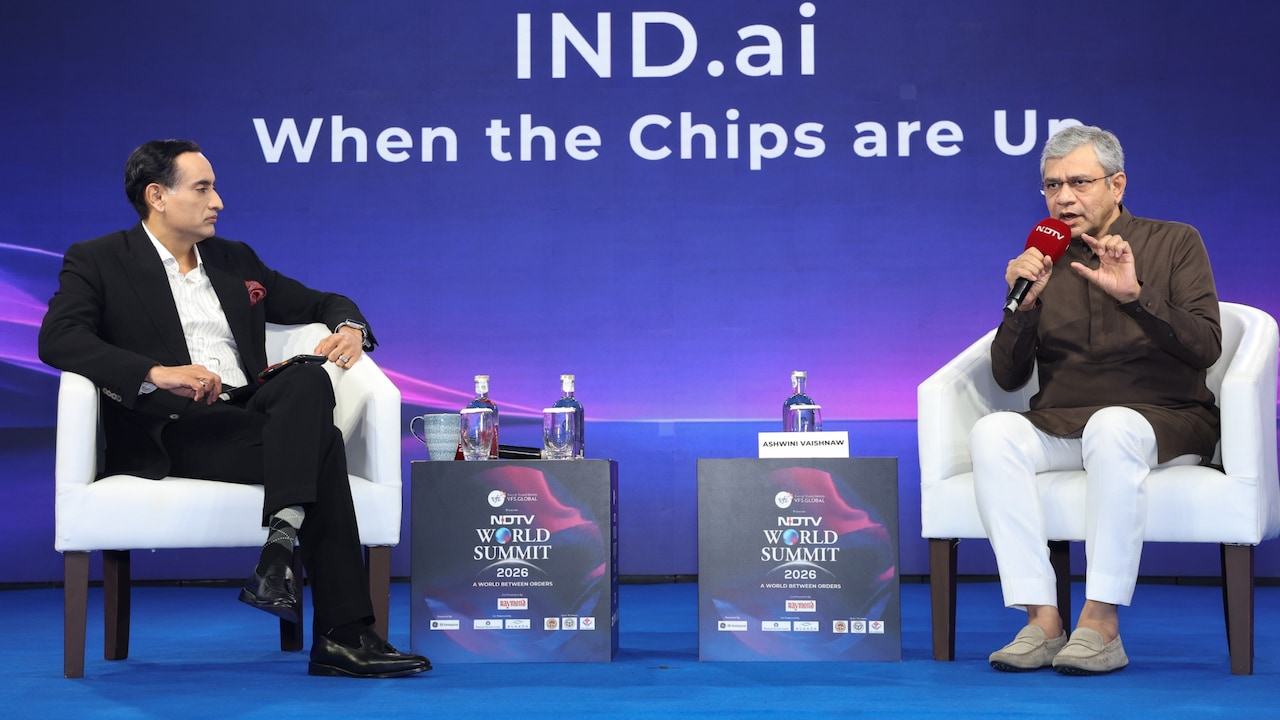
Union Minister Ashwini Vaishnaw defended the phased timeline, emphasizing that safety and structural resilience cannot be compromised for speed. Independent transit analysts note that adopting Shinkansen standards provides a robust baseline, but future expansions will likely require greater localization to accelerate deployment across other proposed corridors such as Delhi-Varanasi and Mumbai-Nagpur.
Strategic Implications & Future Roadmap
Economists project that once operational, the corridor will spawn new urban clusters, boost real estate values along the transit nodes, and fundamentally alter business travel patterns between Mumbai and Ahmedabad. Stakeholders await the official announcement of the first integrated test-run window, which will set the definitive countdown for commercial passenger service.
❓ Key Questions Answered (FAQ)
Public and parliamentary inquiries regarding the operational timeline of the Mumbai-Ahmedabad High-Speed Rail corridor prompted Union Minister Ashwini Vaishnaw to clarify the extensive engineering and design complexities involved.
Commuters, regional businesses, and real estate developers along the Mumbai-Ahmedabad corridor are directly impacted, with the project promising significantly reduced transit times and spurred economic activity upon completion.
Key milestones include the completion of major civil structures, the installation of specialized Shinkansen tracks, and the commencement of preliminary trial runs on completed sub-sections in Gujarat.


