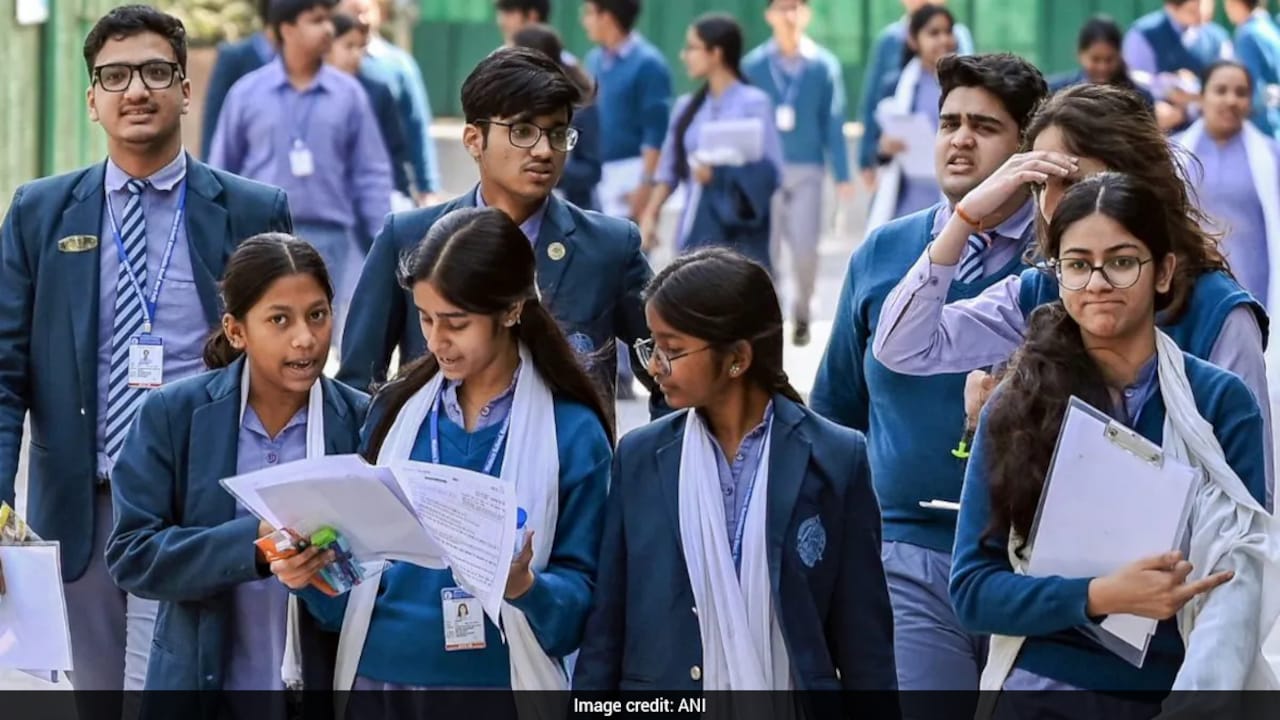
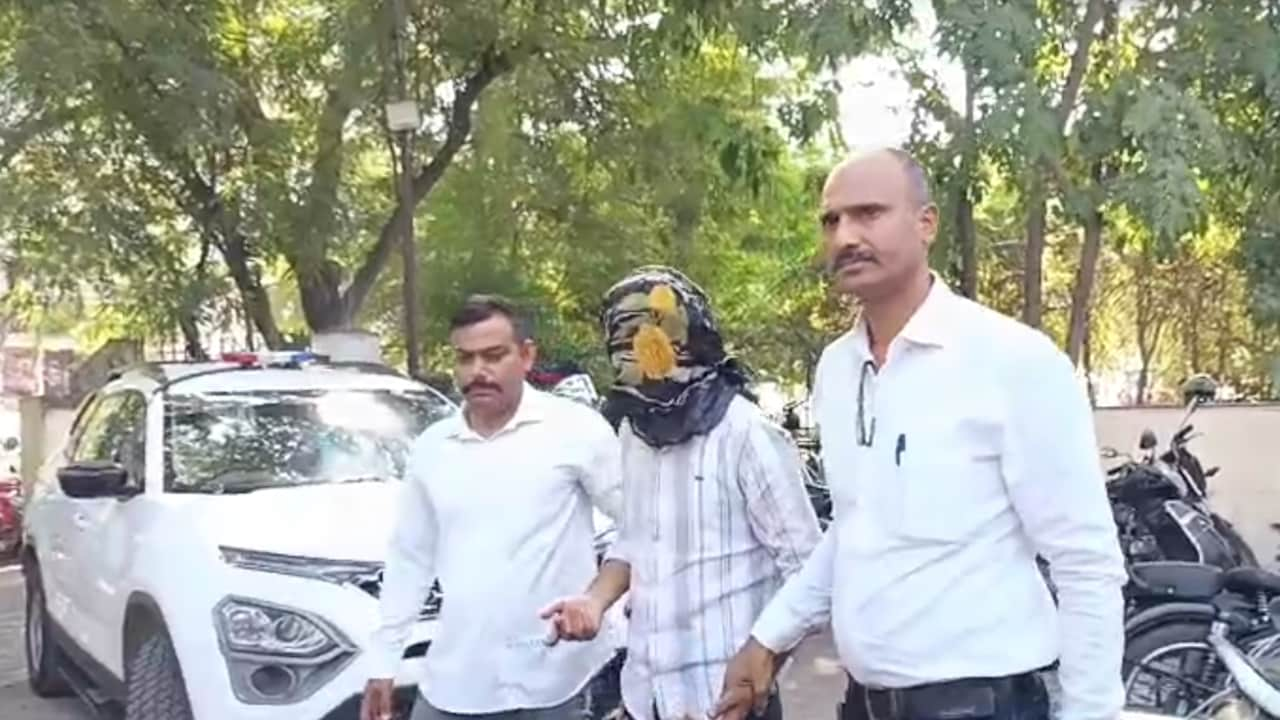
The judicial move underscores mounting concerns within apex judicial circles regarding accountability, proportional response, and civil liberties during high-stakes student mobilizations in the national capital. The hearings represent a critical procedural mechanism designed to bridge the evidentiary gap between state-compiled incident reports and testimonies from injured demonstrators, medical practitioners, and legal observers who documented the civil unrest.
As the investigation unfolds, the proceedings are expected to set a definitive benchmark for transparency and institutional redress in cases involving crowd control measures deployed against student bodies. The dual-day evidence collection drive highlights the judiciary’s proactive stance in arbitrating disputes arising from intense political and educational friction across urban centers.
📌 Essential Story Takeaways
- A Supreme Court-appointed panel will conduct public hearings on October 29 and 30 regarding pellet gun deployment and harassment claims during the Delhi NEET protests.
- Affected citizens and witnesses can walk in between 11:30 a.m. and 3 p.m. to submit physical evidence, medical records, and formal representations.
- The probe focuses heavily on establishing accountability for proportionality of force used by security apparatuses during the student agitation.
- The upcoming hearings are anticipated to shape future judicial guidelines on crowd control and civil disobedience management in metropolitan jurisdictions.
Historical Background & Contextual Precedents
Historically, the deployment of non-lethal crowd-control munitions, including pellet-firing shotguns, within mainland urban areas and against student demographics has remained a subject of intense legal scrutiny and ethical debate. While security administrators historically defended such measures as necessary to restore public order and protect critical state infrastructure, human rights advocates and legal scholars have consistently challenged their legality, citing catastrophic injuries, loss of vision, and psychological trauma among non-combatants.
The surfacing of these contentious issues before a high-powered judicial panel today reflects a broader societal reckoning over the limits of state authority in handling democratic dissent. The convergence of educational policy grievances with heavy-handed policing tactics created an untenable pressure cooker environment, ultimately compelling the Supreme Court to step in and institute an independent fact-finding mechanism to restore public trust and ensure institutional accountability.
Deep-Dive Investigation & Sectoral Impact
Data gathered from premier trauma care facilities in Delhi corroborate multiple admissions of individuals presenting with pellet injuries to the upper torso and ocular regions. Independent medical experts who examined the victims noted that the proximity of engagement and trajectory angles strongly contradicted standard operating procedures for riot control. Furthermore, supply chain audits of security procurements indicate persistent gaps in the training regimens mandated for frontline personnel deployed during high-stress educational protests.
Beyond physical injuries, the investigation uncovered systemic allegations of arbitrary detentions, custodial harassment, and intimidation tactics directed at student leaders and volunteer legal aides who attempted to document the detentions. Digital footprints, including unedited video repositories collected by civil society groups, display instances of aggressive asset seizure and verbal abuse by unidentified officers, elements that the Supreme Court panel will now subject to rigorous cross-examination during the upcoming October sessions.
Stakeholder Perspectives & Official Statements
Conversely, representatives from security and administrative quarters have defended the operational necessity of their actions, arguing that frontline personnel faced unprecedented provocation and coordinated attempts to overrun secured security cordons. Government counsels maintained that the decisions made on the ground were calibrated to neutralize immediate security threats and protect public property, asserting that an overarching inquiry must also account for instances of violence initiated by rogue elements within the protesting crowds.
Educational analysts and student union representatives have adopted a unified stance, demanding not only accountability for the alleged abuses but also substantive structural reforms in how high-stakes competitive examinations are administered nationwide. They contend that addressing the policing fallout is inseparable from resolving the foundational grievances that drove thousands of aspirants to the streets of the national capital in the first instance.
Strategic Implications & Future Roadmap
Economically and politically, the fallout from the NEET protests and the subsequent judicial probe will continue to exert pressure on administrative machinery, potentially accelerating reforms within national testing agencies to prevent future systemic shocks. Stakeholders across the political spectrum will be closely monitoring the panel’s proceedings, as its conclusions could establish influential legal precedents regarding state liability, human rights violations, and the judicial enforcement of fundamental freedoms in democratic India.
As the hearing dates approach, civil society organizations are mobilizing logistical support to ensure that marginalized or injured victims can safely present their testimonies to the panel, signaling that the pursuit of accountability remains the central focus of the national discourse.
❓ Key Questions Answered (FAQ)
The primary trigger is the Supreme Court panel's intervention to investigate allegations of excessive force, including pellet gun use and harassment, during the Delhi NEET protests.
Student demonstrators, injured aspirants, and civil society groups are most affected, facing physical, psychological, and legal hurdles that the current hearings seek to address through institutional redress.
The critical milestones are the public evidence hearings scheduled for October 29 and 30, followed by the eventual compilation and submission of the judicial panel's report.