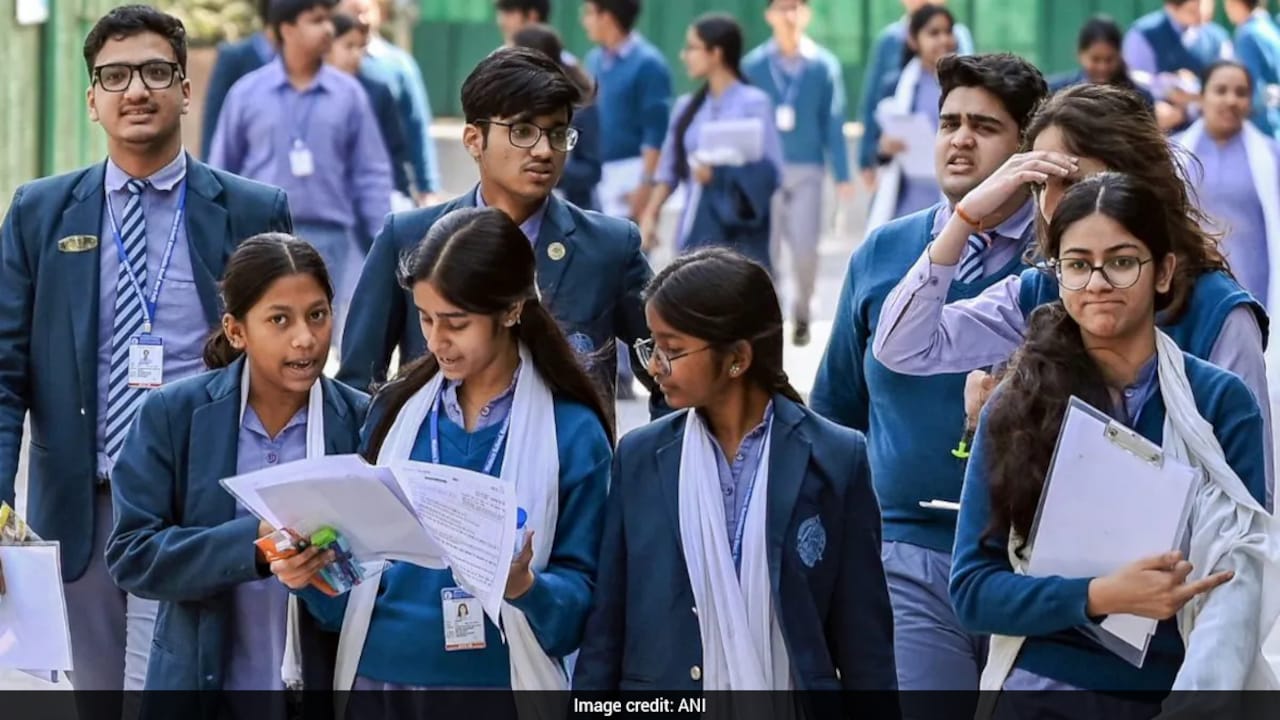
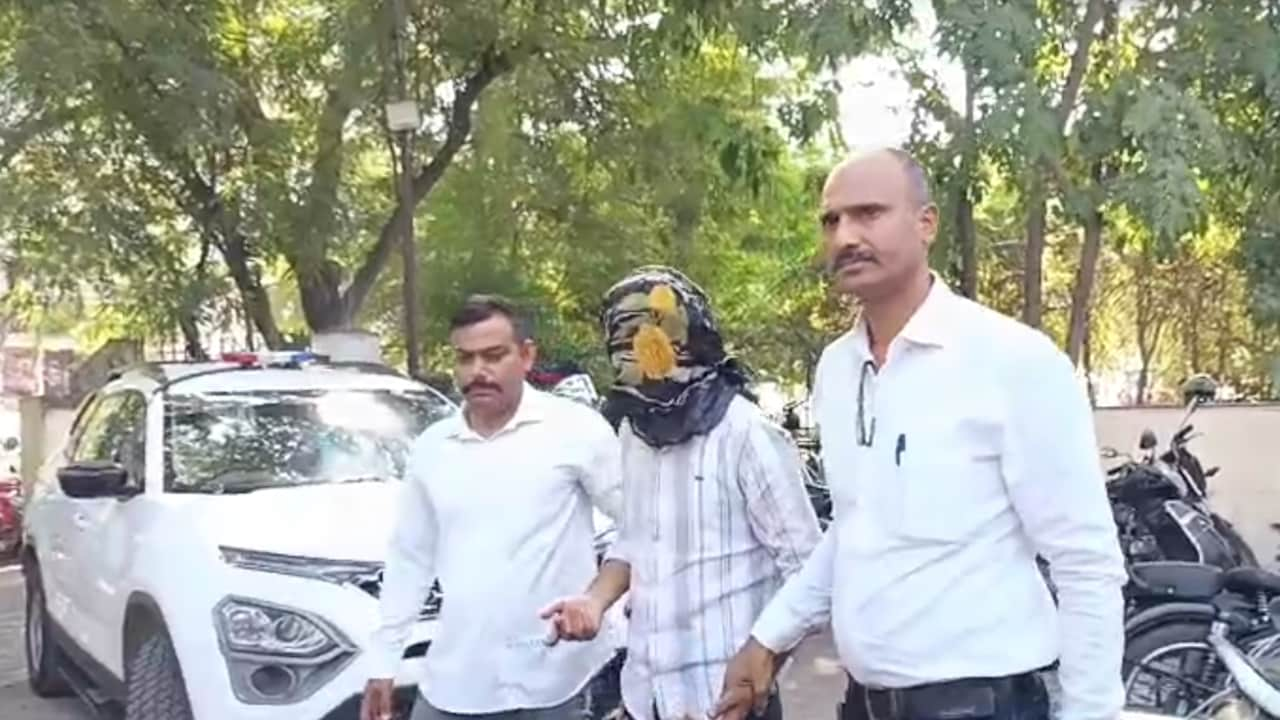
The radical shift in instructional delivery underscores deep-seated administrative anxieties regarding campus security, public order, and student welfare. According to communications issued by the university registrar, the hybrid-to-virtual pivot is designed strictly as a precautionary measure to insulate the wider student body from potential escalations while keeping academic calendars functional.
The ongoing standoff has drawn intense scrutiny from civil rights groups, student unions, and academic circles nationwide. As the protest enters a critical phase, the friction between student demands for democratic expression and administrative mandates for campus discipline highlights a recurring crisis point in India’s higher education infrastructure.
📌 Essential Story Takeaways
- Jamia Millia Islamia has shifted all academic classes to online modes to maintain safety and security.
- Four students are currently conducting an indefinite hunger strike on campus.
- A PhD scholar named Sanam is leading a high-profile indefinite sit-in at the Gulistan-e-Ghalib lawns.
- Student organizations, notably the SFI, have intensified pressure on university authorities to address their grievances.
Historical Background & Contextual Precedents
Historically, the Gulistan-e-Ghalib lawns have served as a traditional staging ground for democratic dissent and intellectual mobilization. The grievances fuelling the current agitation—ranging from administrative transparency and student union elections to punitive measures against student activists—have simmered beneath the surface for months, exacerbated by post-pandemic regulatory shifts in university governance.
The decision by student groups, spearheaded by leftist and independent collectives, to escalate actions to a hunger strike reflects deep frustration with institutional dialogue channels. Observers note that administrative responses to student activism have progressively hardened, creating an environment where peaceful demonstrations frequently spiral into institutional standoffs.
Deep-Dive Investigation & Sectoral Impact
Interviews with protesting students and campus security personnel point to a breakdown in bilateral communication channels. The physical blockade around the Gulistan-e-Ghalib lawns has restricted movement, while administration buildings operate under tight security protocols. Medical reports from student volunteers indicate that the health parameters of the hunger-striking students are beginning to deteriorate, raising urgent humanitarian concerns.
Furthermore, financial and logistical supply chains supporting the campus have faced intermittent disruptions. Academic departments report administrative paralysis as faculty members navigate conflicting directives regarding attendance, evaluation metrics, and campus entry protocols. The digital migration of classes has also exposed digital divide challenges, with several students citing connectivity issues and logistical hurdles in accessing remote learning modules on short notice.
Stakeholder Perspectives & Official Statements
Conversely, the Students’ Federation of India (SFI) and allied student bodies have issued scathing condemnations of the administration’s approach. In joint statements, student leaders characterized the shift to online classes as an authoritarian evasion of accountability, demanding the immediate revocation of punitive actions against student activists and the unconditional acceptance of their charter of demands.
Civil rights advocates and academics from across the national capital have weighed in, urging restraint from both sides. Legal experts emphasize the constitutional validity of peaceful protest on university campuses, while educational analysts warn that prolonged digital transitions risk degrading the holistic university experience and deepening polarization.
Strategic Implications & Future Roadmap
Policy experts project that this standoff will likely prompt a comprehensive review of student grievance redressal mechanisms across central universities. Stakeholders will be closely monitoring upcoming administrative board meetings and any potential judicial interventions that could compel mediation.
Critical dates to watch include the scheduled weekly review by the university’s academic council regarding the continuation of online classes, alongside planned solidarity demonstrations by national student federations slated for the upcoming week.
❓ Key Questions Answered (FAQ)
The primary trigger is a combination of unresolved student grievances regarding campus governance, administrative actions against activists, and the subsequent launch of an indefinite hunger strike and sit-in by student groups.
The entire student body is affected through the abrupt transition to online classes, while the protesting students face direct health risks from the hunger strike. The immediate consequence is a locked-down campus with suspended physical academic operations.
Key milestones include the academic council's weekly review of the online class mandate, medical updates on the striking students, and potential negotiations between student representatives and university authorities.