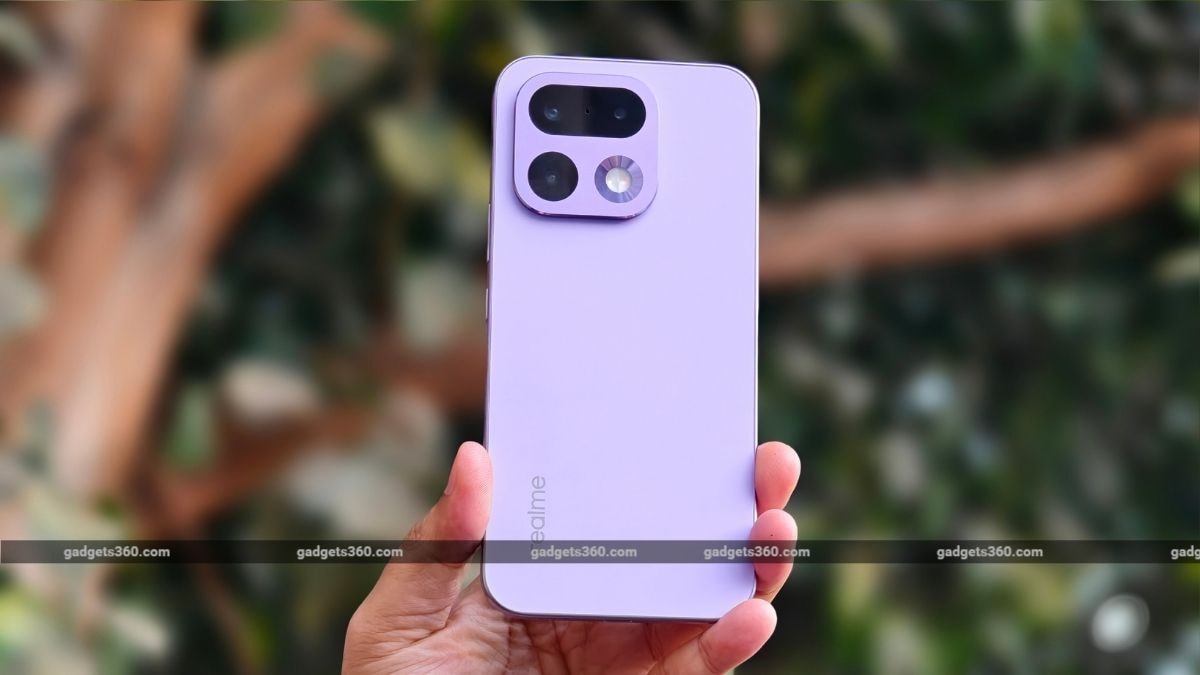
The strategic implications of incorporating a five-digit milliamp-hour capacity battery into a commercially viable handset extend far beyond mere consumer convenience, directly challenging long-held industry dogmas regarding device weight, thermal dissipation, and ergonomic profiles. Industry analysts note that BBK Electronics-backed Realme is positioning this high-end hardware deployment to capture critical market share across fiercely contested Asian and European mid-to-high tier demographics, where battery anxiety and camera fidelity remain the primary purchase drivers.
As regulatory filings and component sourcing manifests begin to circulate through international trade hubs, the tech sector awaits official confirmation from corporate headquarters. While Realme executives have maintained a stringent policy of silence regarding unannounced hardware roadmaps, the convergence of advanced silicon architecture and high-density energy storage solutions signals a ferocious upcoming battleground for supremacy in the mobile hardware landscape.
📌 Essential Story Takeaways
- Realme is reportedly developing the 17 Pro series featuring a massive 10,000mAh power cell.
- The flagship device is tipped to sport a 200-megapixel primary rear camera sensor within a triple-lens setup.
- Internal supply chain whispers point to the integration of MediaTek's unannounced Dimensity 7500 chipset.
- Market analysts project aggressive pricing strategies to disrupt competitors in the ultra-endurance smartphone segment.
Historical Background & Contextual Precedents
Simultaneously, the race for mobile photographic supremacy has plateaued around 50-megapixel and 200-megapixel sensors, with diminishing returns observed in traditional consumer usage scenarios. Realme’s historical brand positioning within the BBK ecosystem has always relied on aggressive democratization of bleeding-edge hardware features—often introducing high-end specifications to price-sensitive markets well ahead of legacy competitors like Samsung or Apple. The genesis of the Realme 17 Pro leak stems from this exact corporate DNA, reflecting a desperate need by challenger brands to manufacture disruptive headlines in an oversaturated global market experiencing flat year-on-year shipment growth.
Deep-Dive Investigation & Sectoral Impact
On the optical front, the rumored 200-megapixel primary camera unit is expected to leverage a high-resolution sensor paired with advanced pixel-binning algorithms to drastically improve low-light performance—a historical Achilles’ heel for ultra-high-pixel-count sensors. Furthermore, supply chain footprints indicate that the device will likely utilize MediaTek’s forthcoming Dimensity 7500 platform, a chipset engineered explicitly for high-efficiency AI processing and advanced thermal management. This silicon choice is critical; driving a 10,000mAh battery while processing high-resolution imaging data demands a processor capable of maintaining optimal performance-per-watt ratios under sustained loads.
Power dynamics within the original equipment manufacturer (OEM) ecosystem dictate that if Realme successfully delivers this hardware configuration at a competitive price point, rival brands such as Xiaomi, Vivo, and Honor will be forced to accelerate their own solid-state or high-density battery integration timelines. The supply chain ripple effect will inevitably pressure component makers to scale production of high-density energy cells, potentially lowering procurement costs across the entire consumer electronics sector within the next twenty-four months.
Stakeholder Perspectives & Official Statements
Conversely, consumer advocacy groups have raised preliminary questions regarding electronic waste, long-term repairability, and the environmental footprint of manufacturing increasingly complex, high-capacity lithium units. Independent hardware reviewers emphasize that software optimization will ultimately make or break the device; a massive battery is functionally compromised if background resource management fails to regulate the power demands of a 200-megapixel camera system and high-refresh-rate display.
Meanwhile, retail distributors across Southeast Asia and Europe report high levels of consumer interest based solely on early internet rumors, demonstrating that the market appetite for multi-day battery life remains profoundly underserved by mainstream flagship releases.
Strategic Implications & Future Roadmap
Economically, the pricing strategy deployed by Realme will serve as a bellwether for the broader mid-to-high-tier smartphone market. Should the brand manage to retail this high-capacity configuration under the psychological threshold of major competitors, it could catalyze a race-to-the-bottom pricing war for high-end battery longevity. Stakeholders across the supply chain, from raw material lithium processors to downstream retail distributors, must monitor upcoming corporate communications closely as the industry prepares for what could be one of the most disruptive hardware launches of the fiscal year.
❓ Key Questions Answered (FAQ)
The development is driven by recent breakthroughs in silicon-carbon battery chemistry and intense competitive pressures within the global smartphone market to offer disruptive hardware specifications.
Mid-to-high-tier smartphone competitors such as Xiaomi, Vivo, and Honor are most affected, as they may be forced to accelerate their own high-density battery integration roadmaps to match consumer expectations.
Key milestones include upcoming regulatory filings with international certification agencies (FCC, BIS) and potential teaser campaigns from Realme leading into the expected Q4 launch window.