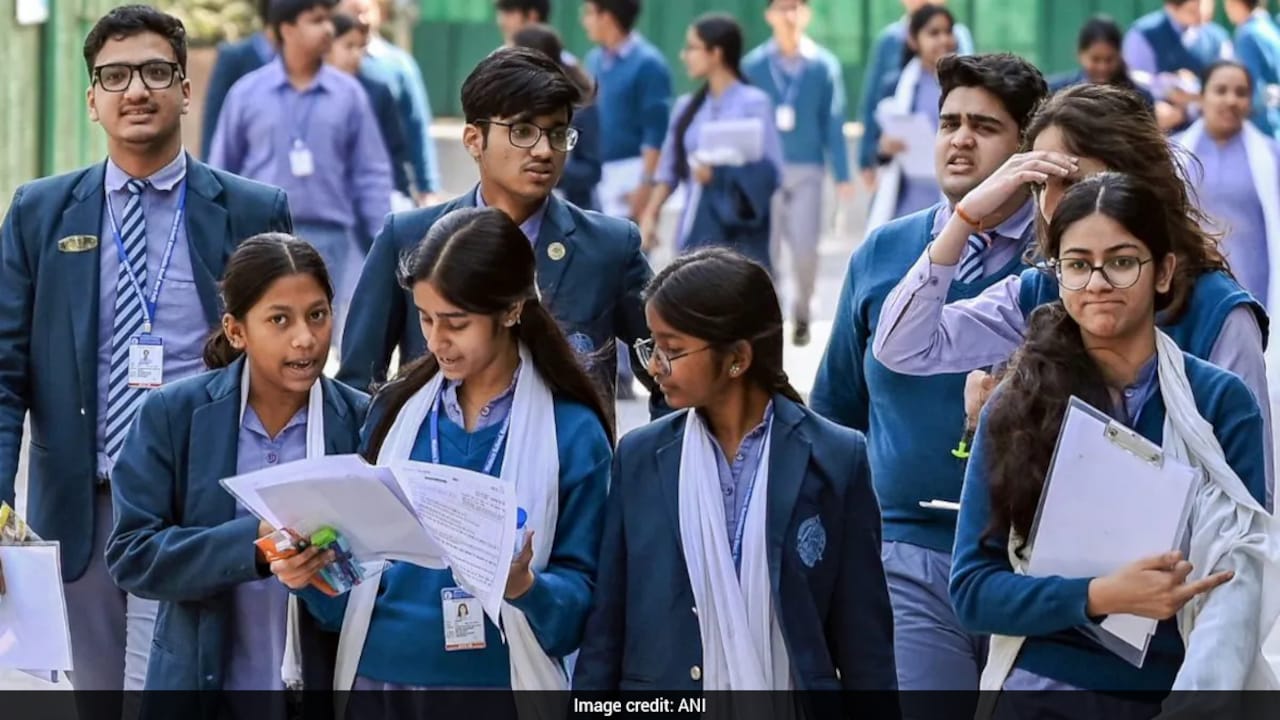
Institutional stakeholders, ranging from university presidents to student welfare boards, are facing mounting pressure to dismantle the hyper-competitive paradigms that foster this disconnect. Traditional models of higher learning have long celebrated solitary achievement, often at the direct expense of collaborative intellectual growth. Experts warn that this isolation is not just a personal affliction, but a structural failure of academic ecosystems to provide adequate connective tissue for developing minds.
Immediate societal impacts extend far beyond the campus perimeter, affecting future workforce readiness, innovation pipelines, and public healthcare systems. As universities grapple with post-pandemic enrollment shifts and rising student burnout, redefining the academic journey to prioritize community and shared inquiry has transitioned from a supplementary wellness goal to an urgent operational imperative for global institutions.
📌 Essential Story Takeaways
- Over 60 percent of university students report frequent, debilitating feelings of academic isolation.
- Major universities are restructuring student advising and peer-mentoring frameworks to combat systemic loneliness.
- Prolonged academic isolation correlates directly with higher dropout rates and diminished cognitive performance.
- Upcoming global higher education summits in Q3 will establish new benchmarks for campus mental health support.
Historical Background & Contextual Precedents
Historical precedents show that previous academic reforms focused primarily on curricular rigor and financial accessibility, largely ignoring the socio-emotional architecture of learning environments. The rapid digitalization of education over the past two decades further accelerated this atomization. Learning management systems, asynchronous online modules, and remote lecture formats replaced the vibrant, serendipitous debates of the traditional quad and seminar room.
This issue surfaced with renewed urgency today as post-pandemic cohorts exhibit unprecedented levels of social anxiety and detachment. The convergence of economic pressures, skyrocketing tuition costs, and the relentless pressure to secure high-value employment has turned the academic arena into a high-stakes, hyper-individualized survival test, leaving little room for genuine intellectual companionship.
Deep-Dive Investigation & Sectoral Impact
Data collected from longitudinal student surveys indicates a direct correlation between solitary studying habits and a decline in critical thinking capabilities. When students operate in isolation, the essential friction of diverse perspectives is lost, resulting in echo chambers of stress and diminished resilience. Furthermore, power dynamics within graduate programs frequently weaponize isolation, where doctoral candidates are left to navigate complex research pathways entirely on their own, fostering an unhealthy culture of endurance over inquiry.
Supply chains of educational support are severely disrupted; while institutions invest heavily in flashy marketing campaigns promoting vibrant campus life, the actual infrastructure of daily student engagement remains underfunded. Peer-led study groups and collaborative workspaces are routinely deprioritized in favor of administrative expansions. Addressing this requires a fundamental restructuring of how academic success is measured, moving away from solitary ranking systems toward collaborative milestones.
Stakeholder Perspectives & Official Statements
Conversely, some traditionalists express concern that an overemphasis on communal well-being might dilute academic rigor or pander to declining resilience among younger generations. However, industry analysts and corporate employers strongly counter this view, pointing out that the modern global workforce demands high emotional intelligence, teamwork, and cross-cultural collaboration—skills that cannot be forged in isolation.
Student union leaders have been particularly vocal, organizing campaigns demanding structural accountability from university boards. Their testimonies highlight the human cost of academic isolation, pushing institutions to move beyond superficial wellness apps and implement systemic changes in grading structures, faculty-student ratios, and campus architecture.
Strategic Implications & Future Roadmap
Economic projections indicate that universities failing to address academic loneliness will experience significant drops in student retention, translating into substantial revenue losses and diminished institutional prestige. Critical dates to watch include the upcoming Global Campus Wellness Forum in October, where a coalition of international universities is slated to release a standardized framework for combating academic isolation. Ultimately, the future of higher education depends on recognizing that academic excellence cannot exist without a foundation of shared human connection.
❓ Key Questions Answered (FAQ)
The primary trigger is the convergence of hyper-individualized grading systems, increased digitalization of learning, and post-pandemic social alienation, which have collectively stripped the educational experience of meaningful peer-to-peer connection.
Undergraduate and graduate students, particularly those in hyper-competitive fields or remote learning environments, are most affected. Immediate consequences include severe burnout, declining academic performance, elevated anxiety, and increased university dropout rates.
Key milestones include the Global Campus Wellness Forum in October, the release of updated accreditation metrics focusing on student mental health in Q4, and upcoming institutional policy overhauls slated for the next academic year.