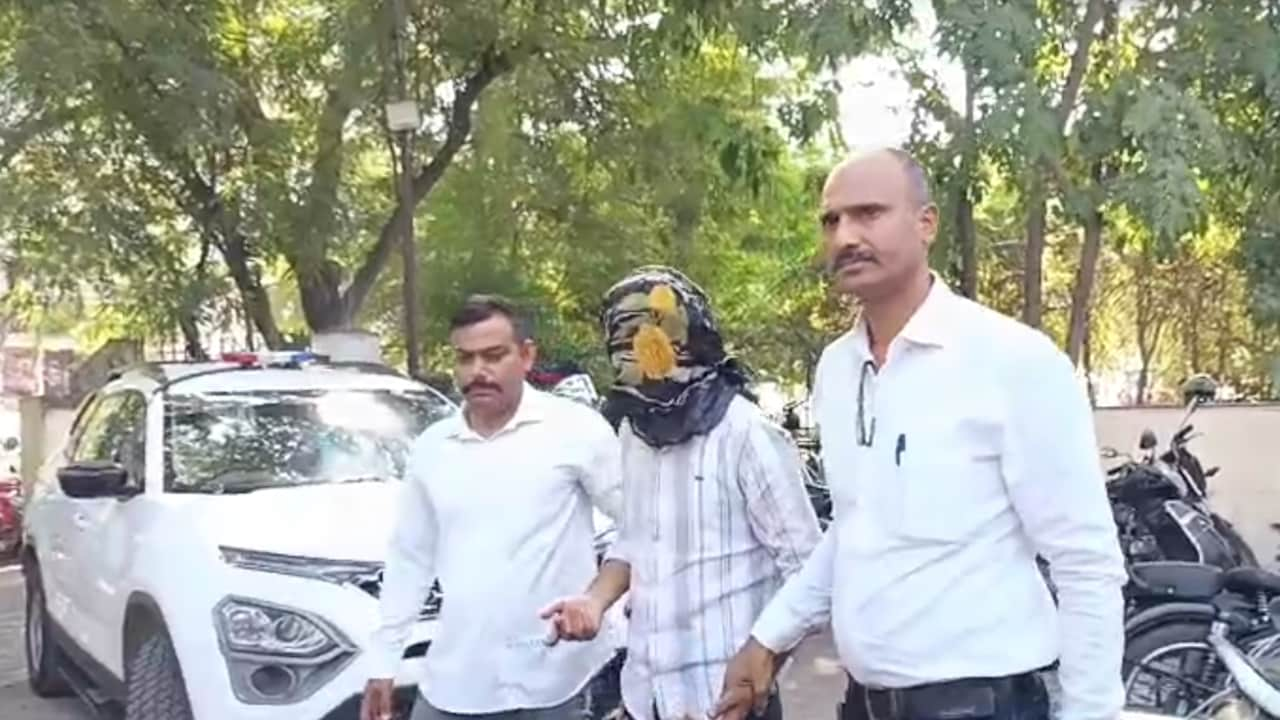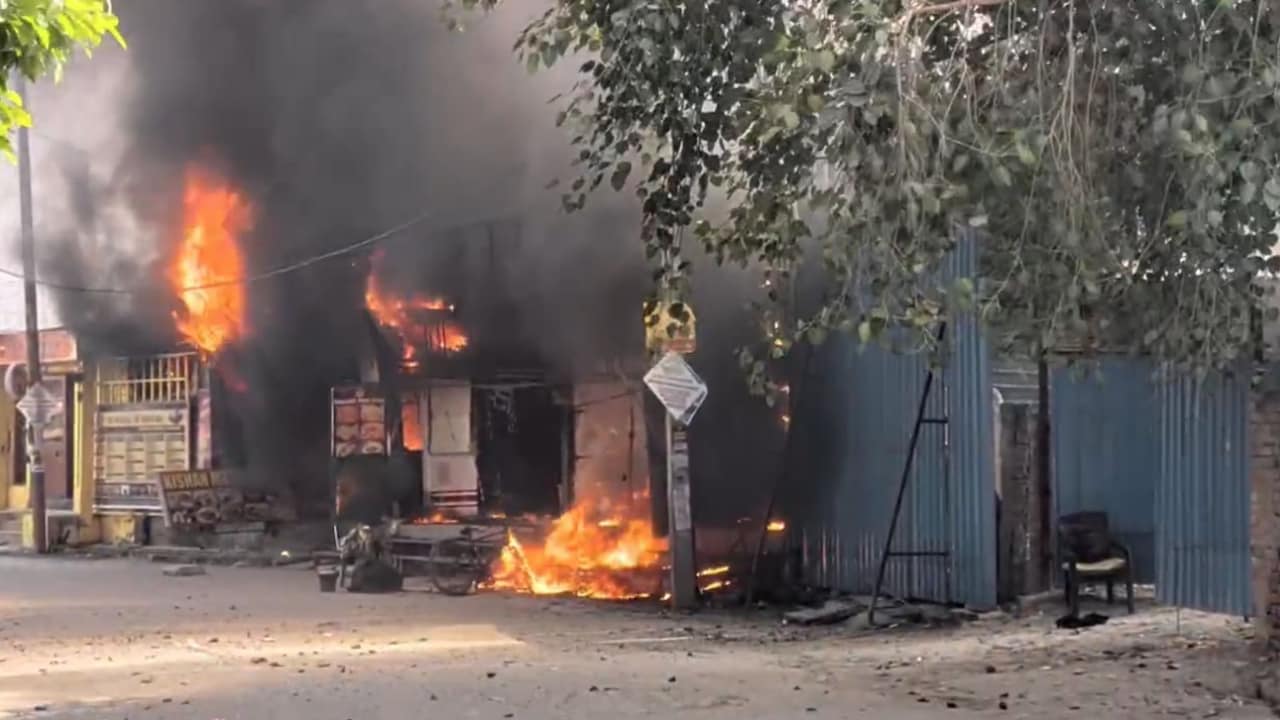
Emergency dispatchers received frantic calls from night watchmen and nearby residents as towering flames illuminated the pre-dawn sky, accompanied by a series of minor explosions believed to be caused by pressurized gas canisters stored within the premises. Fire tenders from three nearby stations were rushed to the site, engaging in a grueling, four-hour battle to contain the blaze before it could spread to adjacent high-density residential blocks and densely packed industrial warehouses.
The human cost of the disaster became painfully clear as rescue personnel combed through the smoldering wreckage, discovering the remains of a single victim identified as a night caretaker trapped behind reinforced security shutters. The incident has sent shockwaves through the local business community, amplifying long-standing concerns regarding regulatory oversight, enforcement of fire safety codes, and structural compliance within Noida’s rapidly expanding commercial and mixed-use zones.
📌 Essential Story Takeaways
- A massive pre-dawn fire destroyed five shops in Noida's Sector 63, resulting in one confirmed fatality.
- Initial investigations point to potential electrical short-circuiting and illegal storage of combustible materials.
- Local trade associations and civic bodies are demanding urgent, comprehensive safety audits across all commercial hubs.
- District authorities have announced a high-level magisterial inquiry to fix accountability and assess damages.
Historical Background & Contextual Precedents
Historically, municipal enforcement of building bylaws in Noida has faced persistent challenges, oscillating between lax oversight during economic booms and reactive crackdowns following major tragedies. Similar incidents in neighboring districts of the National Capital Region (NCR) have repeatedly underscored the lethal risks associated with unauthorized structural modifications and the stacking of flammable merchandise in confined spaces. Despite repeated warnings from urban planners and fire safety experts, systemic reforms have frequently bogged down in bureaucratic inertia and jurisdictional disputes between the local industrial development authority and municipal corporations.
Deep-Dive Investigation & Sectoral Impact
Crucially, ground-level interviews and preliminary inspections revealed troubling violations of commercial licensing conditions. At least two of the affected shops were allegedly operating beyond authorized utility loads and storing significant quantities of packaging plastics, industrial oils, and aerosol cans without mandatory safety clearances. Supply chain dynamics within these micro-clusters often encourage high-density inventory storage to maximize tight profit margins, directly exacerbating fire loads. Furthermore, narrow access roads designed for light industrial transport severely hampered the deployment of heavy aerial ladder platforms, forcing firefighters to rely on manual hose lays from hundreds of meters away.
Stakeholder Perspectives & Official Statements
Meanwhile, trade union representatives and local merchant associations have voiced deep frustration over what they term systemic administrative apathy. Rajesh Sharma, president of the Noida Vyapar Mandal, argued that small business owners are frequently trapped between prohibitive compliance costs and the arbitrary enforcement practices of local inspectors. ‘We mourn the tragic loss of our fellow worker today. While safety must undoubtedly be our paramount concern, the authorities must also provide accessible pathways for small enterprises to regularize their infrastructure rather than relying solely on post-disaster punitive measures,’ Sharma remarked.
Independent urban safety experts have echoed these sentiments, emphasizing that structural reform must encompass both punitive enforcement and constructive modernization incentives for the region’s vast informal and semi-formal commercial sectors.
Strategic Implications & Future Roadmap
The upcoming district board meeting, scheduled for later this month, is expected to debate mandatory installation timelines for localized fire suppression equipment in all commercial units exceeding a defined square-footage threshold. Economically, these tighter regulations are anticipated to temporarily disrupt local supply chains and increase compliance costs for small retailers, but industry analysts predict a necessary long-term stabilization of urban safety standards. Citizens and business owners alike await the formal release of the magisterial inquiry report, which is slated to be submitted to the state government within fourteen business days, setting a critical precedent for future urban governance in the region.
❓ Key Questions Answered (FAQ)
Preliminary investigations indicate the fire was triggered by a severe electrical short circuit, which rapidly ignited flammable materials and packaging supplies stored improperly within the commercial complex.
Local retail workers, business owners, and the family of the deceased night caretaker bear the immediate human and economic toll. Administratively, the incident has triggered district-wide safety audits and renewed scrutiny of commercial building compliance.
Key milestones include the completion of the district magisterial inquiry report within the next fourteen business days and the subsequent rollout of mandatory fire safety compliance checks across Noida's commercial zones.