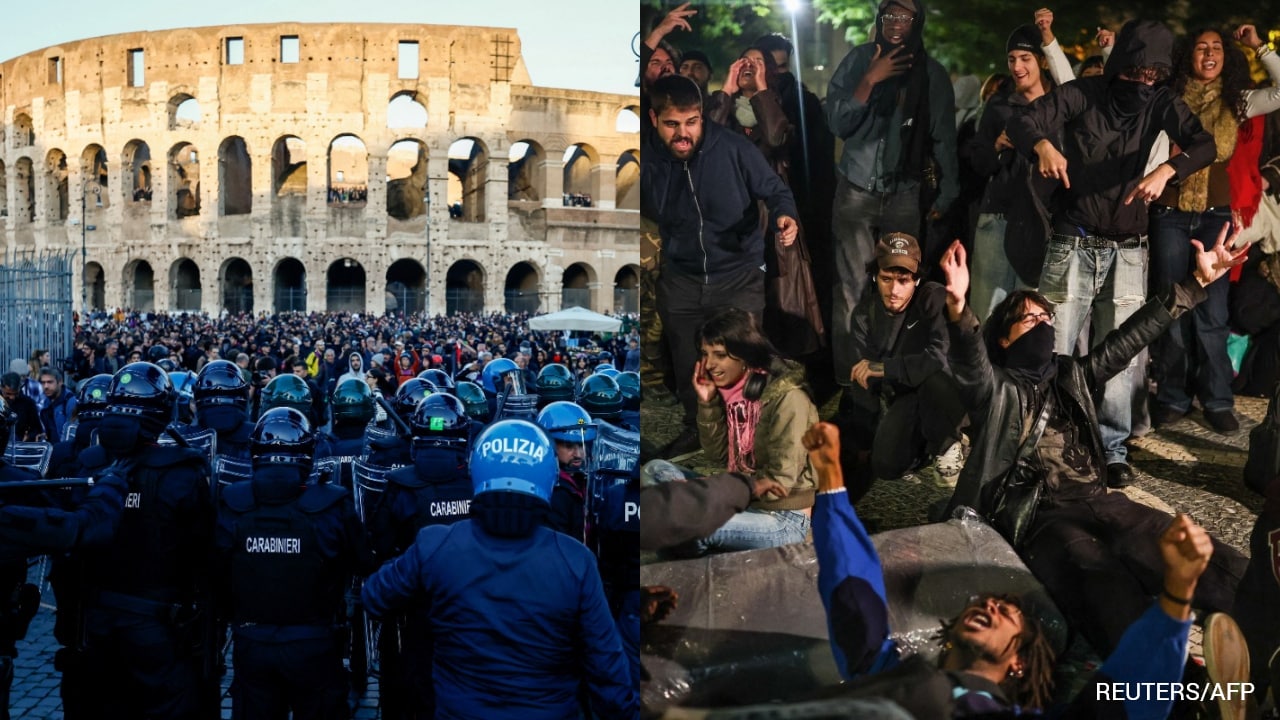
The widespread disruption has crippled public transportation networks, closed major commercial districts, and severely tested the capacity of continental law enforcement agencies. Municipal authorities in Paris, Lyon, and Marseille reported extensive property damage, including shattered storefronts, burned vehicles, and targeted attacks on municipal infrastructure. Emergency medical services treated hundreds of civilians and police officers for smoke inhalation, lacerations, and trauma resulting from projectile impacts, underscoring the escalating volatility of the protests.
At the institutional level, governments across the European Union find themselves caught between mounting public demands for economic relief and strict fiscal austerity measures mandated by Brussels. While trade unions defend the right to strike and protest, central authorities warn that the infiltration of radical agitators threatens democratic stability and public safety. As emergency cabinet meetings convene in multiple capitals, the continent faces a critical test of its civil resilience and governance models.
📌 Essential Story Takeaways
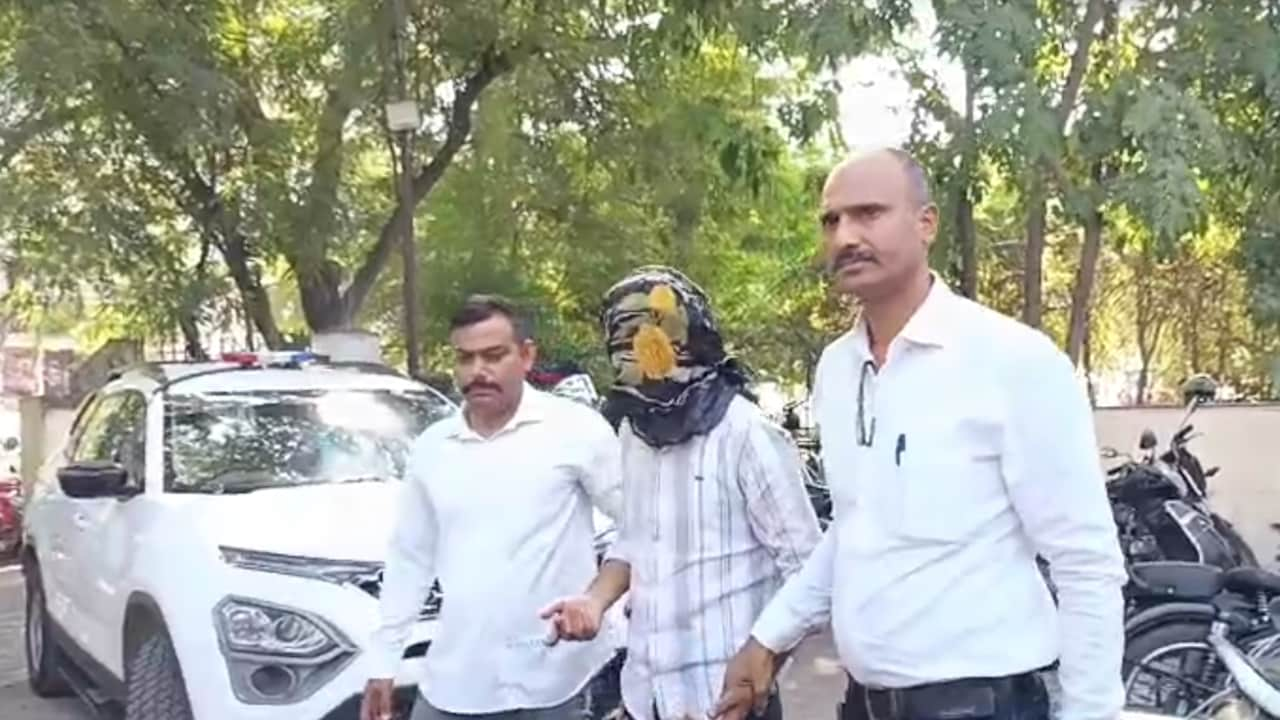
- French police arrested nearly 1,000 individuals nationwide following clashes with violent extremist factions.
- Continental governments face intense pressure to balance fiscal austerity mandates with escalating citizen demands for cost-of-living relief.
- Critical infrastructure, public transit, and commercial districts have suffered extensive damage, disrupting regional supply chains.
- Upcoming emergency EU ministerial summits will address coordinated cross-border security protocols and economic stabilization packages.
Historical Background & Contextual Precedents
Simultaneously, the political landscape across Europe has witnessed a significant polarization, characterized by the erosion of traditional center-left and center-right coalitions and the rise of radical factions on both ends of the political spectrum. Historical precedents, such as the ‘Yellow Vest’ movement in France and similar austerity protests in Greece and Spain during the sovereign debt crisis, established a playbook of mobilization that contemporary agitators have refined. These groups leverage decentralized digital communications and encrypted messaging platforms to coordinate rapid assembly and tactical engagement with security forces.
The timing of the current wave also coincides with contentious legislative pushes regarding retirement ages, labor market flexibilities, and green transition mandates that impose immediate financial burdens on rural and working-class communities. When these structural grievances intersect with the presence of professional agitators—often referred to by intelligence agencies as ‘black blocs’—peaceful demonstrations rapidly degenerate into urban warfare. This dynamic has left democratic institutions scrambling to adapt their policing strategies without violating constitutional protections on the freedom of assembly.
Deep-Dive Investigation & Sectoral Impact
On the ground, law enforcement agencies have faced unprecedented challenges in isolating violent elements without infringing upon the rights of peaceful demonstrators. Tactical data from the French Ministry of the Interior shows that while tens of thousands marched lawfully, small, highly mobile cells of masked individuals systematically targeted municipal street furniture, bank branches, and multinational corporate headquarters. The use of commercial fireworks, Molotov cocktails, and acid-filled projectiles marked a tactical escalation from previous protest cycles, forcing riot police to rely heavily on tear gas and kinetic impact projectiles.
Furthermore, economic analysts point to the severe secondary impacts of these disruptions on local supply chains and small businesses already reeling from inflation. Retail associations in major European metropolitan areas report billions of euros in lost revenues as storefronts remained shuttered during peak shopping hours. The economic toll extends beyond domestic commerce, as blocked logistics corridors and port strikes paralyze freight movement across the Schengen Area, highlighting the vulnerability of Europe’s integrated economic architecture to sustained civil unrest.
Stakeholder Perspectives & Official Statements
Conversely, labor union leaders and civil liberties advocates argue that the heavy-handed policing tactics employed by security forces exacerbate tensions and suppress legitimate democratic expression. CGT union representative Sophie Bertrand criticized the mass arrests as an attempt to criminalize dissent. “When millions of citizens take to the streets because they cannot afford basic necessities, deploying thousands of riot police with tear gas is a political failure, not a security solution,” Bertrand noted during an emergency press conference in Paris.
Independent sociologists and political risk analysts suggest that the crisis points to a systemic breakdown in the social contract across Western Europe. Dr. Hans-Jürgen Müller of the Berlin Institute for Social Governance warned that traditional political channels are failing to absorb public anger. “We are witnessing a profound institutional disconnect,” Müller observed. “Until governments address the foundational economic anxieties driving these populations, security crackdowns will only serve as a temporary bandage over a festering wound.”
Strategic Implications & Future Roadmap
In response to the crisis, EU interior ministers are scheduled to convene an emergency summit in Brussels next month to discuss enhanced intelligence-sharing mechanisms targeting cross-border extremist networks. Domestically, national parliaments are reviewing emergency legislative packages designed to expedite the prosecution of rioters and expand police powers during declared states of unrest. However, policy experts caution that without substantial structural concessions on cost-of-living measures and labor protections, legislative deterrence alone will prove insufficient to pacify a populace pushed to its economic limits.
❓ Key Questions Answered (FAQ)
The unrest was primarily triggered by soaring inflation, cost-of-living pressures, and deeply unpopular pension and labor reforms, which were subsequently hijacked by organized extremist factions.
Working-class citizens, small business owners, and municipal workers are most affected, facing severe economic disruption, property damage, and transportation shutdowns across major European cities.
Key milestones include the upcoming emergency EU interior ministers' summit in Brussels, national budgetary votes in parliament, and the European Central Bank's next interest rate decision.